
Whole House Surge Protectors: Do You Need One?
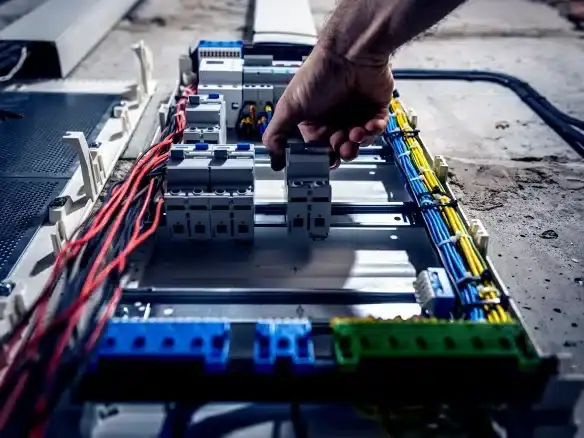
A whole house surge protector mounts at your electrical panel and guards every circuit in the home. Here is what it protects, who benefits most, and how it works with plug-in strips.
Quick Answer
For most homes, yes. A whole house surge protector installs at the electrical panel and stops large surges before they reach your wiring, appliances and electronics. Current electrical code requires one when a home's service is new or replaced. Pair it with plug-in strips for sensitive electronics.
Key Guide Highlights
What Is a Whole House Surge Protector?
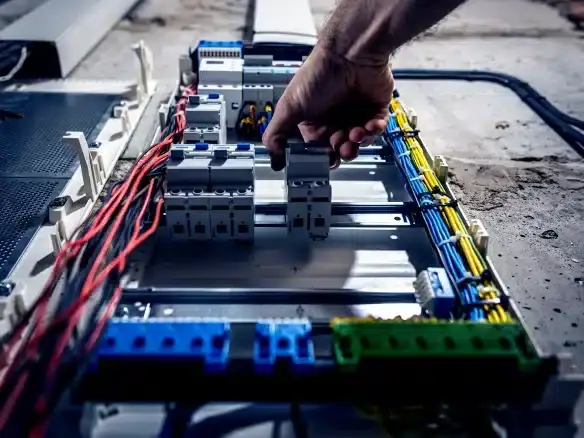
A whole house surge protector is a small device that connects to your main electrical panel. Electricians often call it an SPD, short for surge protective device. It watches the voltage coming into your home. When voltage spikes, it sends the extra energy safely to ground in a tiny fraction of a second.
Because it sits at the panel, it protects every circuit at once. That includes things you cannot plug into a surge strip, like your furnace, water heater controls and kitchen range.
A surge is a brief jump in voltage above the normal level. Most last only a moment. Even so, a strong one can damage circuit boards right away, and smaller repeated surges can wear electronics down over time.
Where Surges Come From
Many people think of lightning first. Lightning can cause the biggest surges, but it is not the most common source.
- Utility switching and grid repairs, often when power comes back after an outage
- Downed or damaged power lines during wind and ice storms
- Lightning strikes on or near utility lines
- Large motors inside your own home cycling on and off, like heat pumps, AC units, well pumps and refrigerators
- Generators and backup systems switching over during an outage
What a Whole House Surge Protector Protects
Almost every modern appliance has a circuit board. Those boards are sensitive to voltage spikes. A whole house unit helps protect:
- Heat pumps, furnaces and air conditioners
- Refrigerators, dishwashers, washers, dryers and ranges
- Water heaters with electronic controls
- Level 2 EV chargers
- Smart thermostats, smoke alarms and security systems
- LED lighting, dimmers and smart switches
- TVs, computers, routers and home office equipment
- Garage door openers and well pumps
Signs Your Home Would Benefit
Every home can benefit from surge protection. These situations make it a stronger priority:
- You lose power often during winter storms, since surges are common when power is restored
- You live in a rural area or at the end of a long utility line
- You have had appliances, electronics or a thermostat fail for no clear reason
- You have a heat pump, EV charger, solar system or generator
- You work from home and rely on computers and internet equipment
- You are planning a panel upgrade or service replacement
- Lights flicker or dim when large appliances start
Whole House vs. Plug-In Surge Strips
These two devices do different jobs. They work best together.
| Feature | Whole House Surge Protector | Plug-In Surge Strip |
|---|---|---|
| Where it goes | At the main electrical panel | At a single outlet |
| What it covers | Every circuit, including hardwired appliances | Only what is plugged into it |
| Surge size it handles | Large surges from outside the home | Smaller leftover surges |
| Who installs it | Licensed electrician only | Homeowner |
Layered Protection Works Best
No single device stops every surge. The best approach uses layers.
Layer 1: The Panel
A whole house surge protector handles large surges coming in from the utility. It knocks them down before they travel through your wiring.
Layer 2: Point of Use
Quality plug-in surge strips at your TV, computer and network equipment catch the smaller surges that remain, including ones made inside your home by motors cycling on and off.
Layer 3: Good Grounding
A surge protector needs a solid path to ground to work. In older homes, an electrician should check the grounding and bonding when installing one. Poor grounding limits what any surge device can do.
What the Electrical Code Says
Since the 2020 edition, the National Electrical Code has required surge protection when a home's electrical service is installed or replaced. Oregon adopts the national code with its own amendments, and local rules can change between editions.
In practice, if you are getting a new panel or service upgrade, plan on a surge protector being part of the job. Your electrician will confirm the current requirements for your city or county.
If you are not changing your panel, a surge protector is usually optional. It is still a smart addition for most homes.
Why This Is Not a DIY Project
A whole house surge protector connects inside your main panel. Parts of the panel stay energized even with the main breaker off. Working inside it can cause serious shock or burns.
The device must also be matched to your panel, connected with short and direct leads, and tied into a proper ground. A poor install can leave you with little real protection. Always have a licensed electrician do this work.
Signs Your Surge Protector Needs Attention
Surge protectors wear out as they absorb surges. Many whole house units have indicator lights that show whether protection is still active.
- The status light is off, red or different from normal
- A major storm or lightning strike hit nearby
- The unit is many years old and has never been checked
Common Questions
Will a whole house surge protector stop a direct lightning strike?
No device can promise that. A direct strike carries enormous energy. A whole house unit greatly lowers the risk from nearby strikes and utility surges, which are far more common.
Do I still need surge strips if I have a whole house unit?
Yes, for sensitive electronics. The panel unit stops large surges. Plug-in strips catch smaller surges that start inside the home or get past the first layer.
Can it be added to my existing panel?
Usually, yes. Most panels in good condition can accept one. If your panel is old, full or has known problems, an electrician may suggest upgrading it at the same time.
Surge Protection From Empyre Electric
Our licensed electricians install whole house surge protectors across Woodburn, Salem, Portland and the Willamette Valley. We check your panel and grounding, choose the right device and pull any required permit.
If your panel is aging, read our guide to the signs you need an electrical panel upgrade. For a breaker that keeps tripping after storms, see our breaker troubleshooting guide. Ready to protect your home? Contact us for a free estimate.
Verified by Empyre Electric Licensed Electricians
Written by our licensed electrical team in Woodburn, Oregon (Oregon CCB #249777). Code-compliant, safe, and tailored for residential and commercial electrical systems across Portland, Salem, and the Willamette Valley.
More Electrical Guides
GFCI vs. AFCI Outlets
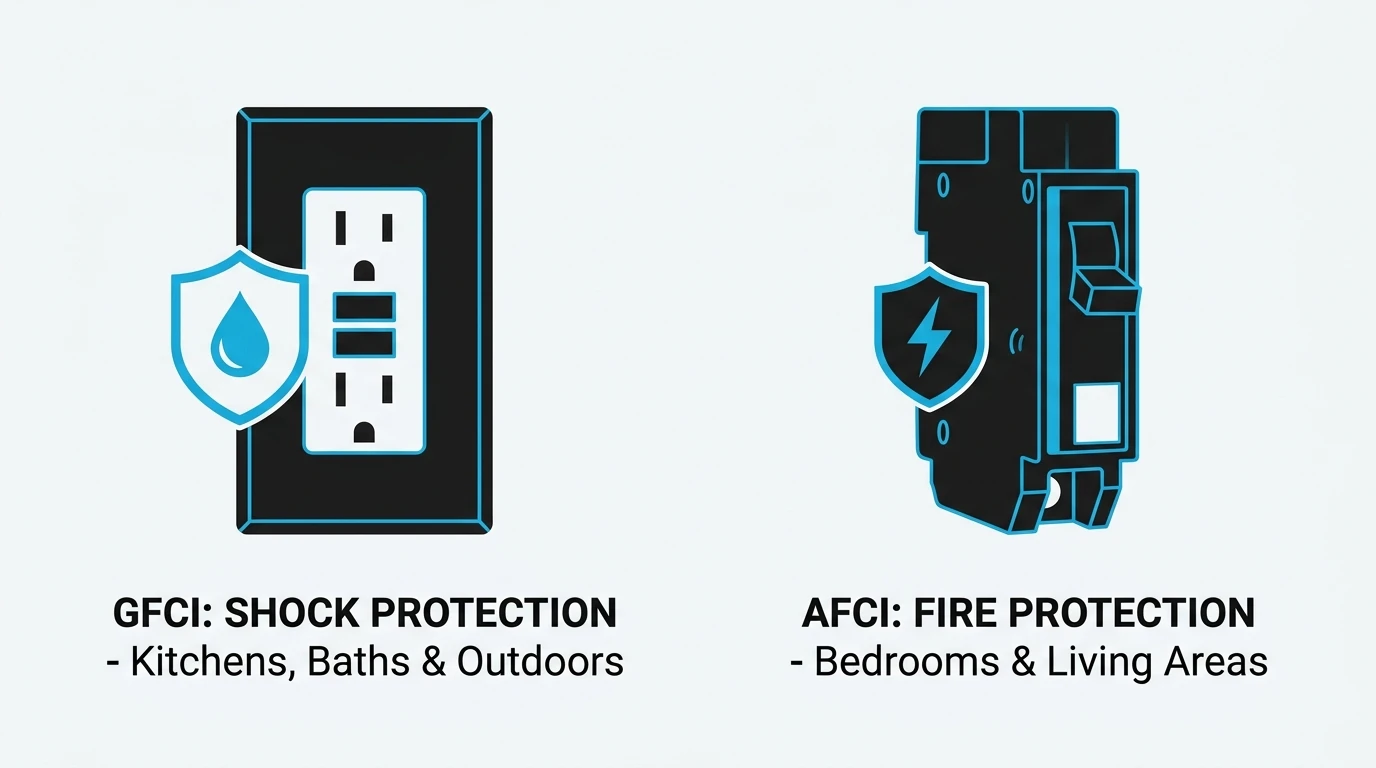
GFCI outlets protect people from dangerous electrical shocks, while AFCI breakers protect homes from electrical fires. Here is how each device works and where Oregon code requires them.
Generators vs. Battery Backup
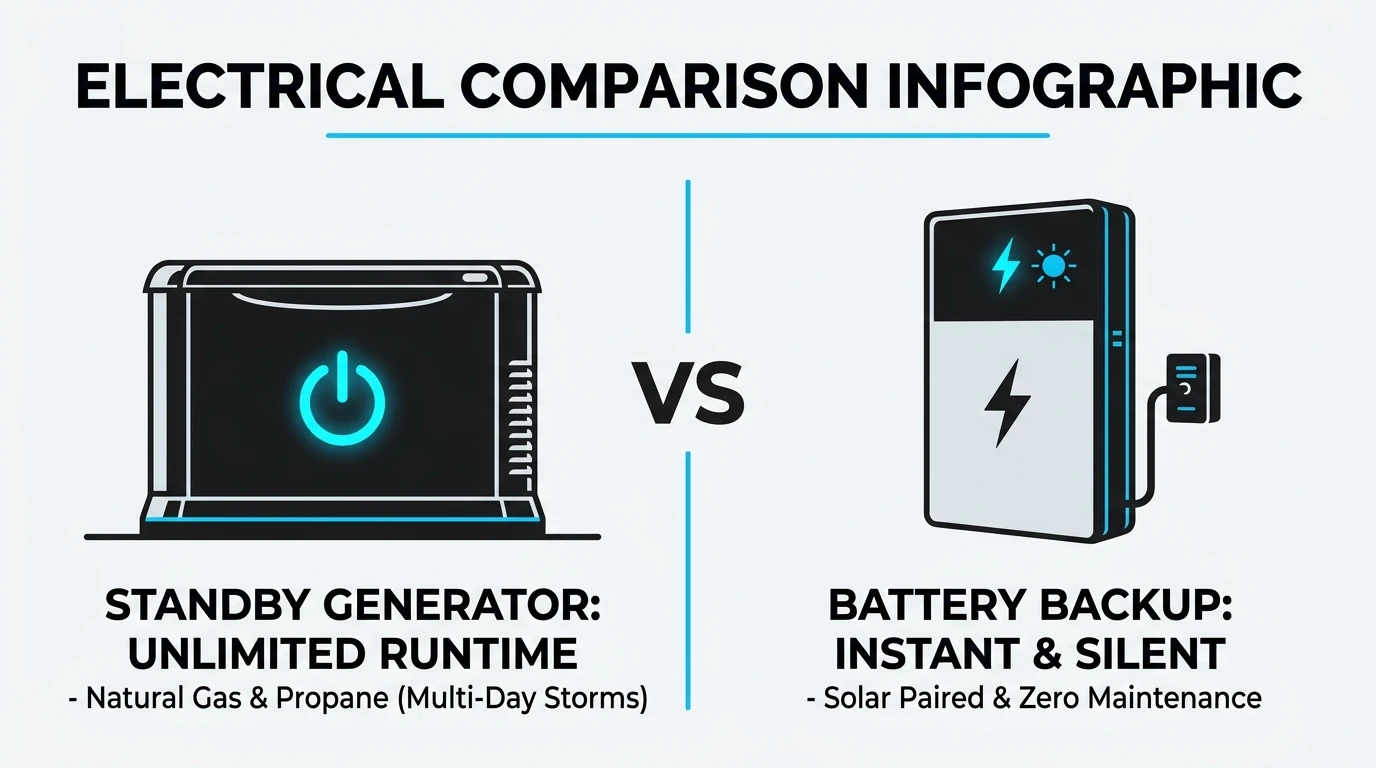
Comparing standby generators and solar battery backup systems for Oregon power outages. Winter storm runtimes, power capacity, maintenance, and which option fits your home.
Knob and Tube Wiring: Is It Safe?
Knob and tube wiring powered homes built before the 1940s. Here is how to spot it, why it becomes a fire risk with age, and what Oregon homeowners can do about it.
Breaker Keeps Tripping? How to Reset It and Find the Cause
How to safely reset a tripped breaker, the four reasons breakers trip, and the warning signs that mean you need an electrician instead of another reset.
8 Signs You Need an Electrical Panel Upgrade
Flickering lights, a full panel, an old fuse box or a new EV charger on the way. The eight signs your electrical panel is due for an upgrade, and what the process looks like in Oregon.

Outlet Not Working? Why a GFCI Won't Reset and How to Fix It
Dead outlet, half an outlet working, or a GFCI that won't reset? Six quick checks that solve most dead outlets, and the warning signs that mean you should stop and call.