
Why Does My Breaker Keep Tripping?
What a breaker trip means, the four reasons breakers trip, what the timing of the trip tells you, and what an electrician does to fix it for good.
Quick Answer
A breaker trips to protect the wiring from overheating. A breaker that keeps tripping is telling you something: the circuit is overloaded, there is a short or ground fault, an arc fault breaker is detecting damaged wiring, or the breaker itself is wearing out. Repeated trips need an electrician, not more resets.
Key Guide Highlights
What Does It Mean When a Breaker Trips?
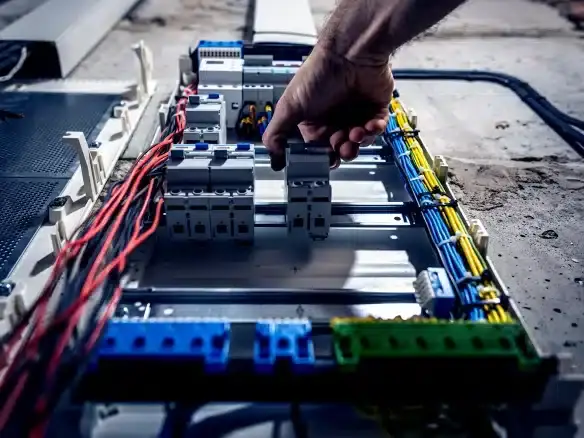
It means the breaker did its job. Every circuit in your home is wired for a set amount of current. When more current flows than the wire can safely carry, or current flows somewhere it should not, the breaker opens and cuts power before the wire overheats.
One trip after running a space heater and a hair dryer together is normal. A breaker that keeps tripping is a symptom of a problem on that circuit, and the fix is finding the cause.
What Are the 4 Reasons Breakers Trip?
1. Circuit Overload
The most common cause. Too much is running on one circuit at once, like a space heater and a vacuum, or a microwave and a toaster oven. It usually trips after a few seconds or minutes of heavy use. Frequent overloads mean the home needs more circuits for how you live now.
2. Short Circuit
A hot wire touches a neutral wire, usually from a damaged cord, a loose connection or a failing outlet or switch. The breaker trips instantly, sometimes with a pop or a spark.
3. Ground Fault
Current leaks to ground, often through water in an outdoor outlet, a wet bathroom fixture or a damaged appliance. GFCI breakers trip on very small leaks to protect people from shock.
4. Arc Fault or a Worn Breaker
AFCI breakers trip when they detect sparking in damaged wires or loose connections, which is a common cause of electrical fires. Breakers also wear with age and can start tripping below their rating.
What Does the Timing of the Trip Tell You?
When and how a breaker trips points to the cause. Share these details when you call:
| What You Notice | Likely Cause | What It Means |
|---|---|---|
| Trips after running a while | Overload | Too much load for one circuit |
| Trips the moment power returns | Short circuit | A direct fault on the circuit |
| Trips when it rains | Ground fault outdoors | Water in an outlet, box or fixture |
| Trips with one appliance | That appliance | The appliance may be faulty |
| Trips with nothing unusual running | AFCI or worn breaker | Damaged wiring or an aging breaker |
Is It Safe to Keep Resetting a Breaker?
No. Resetting a breaker over and over sends current back into whatever made it trip. If the cause is a short, a damaged wire or a loose connection, each reset heats it again. Call an electrician if:
- It trips again right after power is restored
- It trips repeatedly with nothing unusual plugged in
- You see scorch marks, smell burning or hear buzzing at the panel or an outlet
- The panel or a breaker feels warm
- You are constantly juggling appliances to avoid trips
What Does an Electrician Do?
An electrician finds the cause instead of guessing. That usually means:
- Measuring the load on the circuit to confirm or rule out an overload
- Testing the wiring for shorts and ground faults
- Checking outlets, switches and connections on the circuit for heat damage
- Testing the breaker and checking the panel for loose or overheating connections
- Adding a dedicated circuit where the home simply needs more capacity
Fixing It for Good
Empyre Electric traces the fault, repairs damaged wiring and outlets, replaces worn breakers and adds dedicated circuits where your home needs more capacity. If the panel itself is the problem, see our guide to the signs you need an electrical panel upgrade.
Verified by Empyre Electric Licensed Electricians
Written by our licensed electrical team in Woodburn, Oregon (Oregon CCB #249777). Code-compliant, safe, and tailored for residential and commercial electrical systems across Portland, Salem, and the Willamette Valley.
More Electrical Guides
GFCI vs. AFCI Outlets
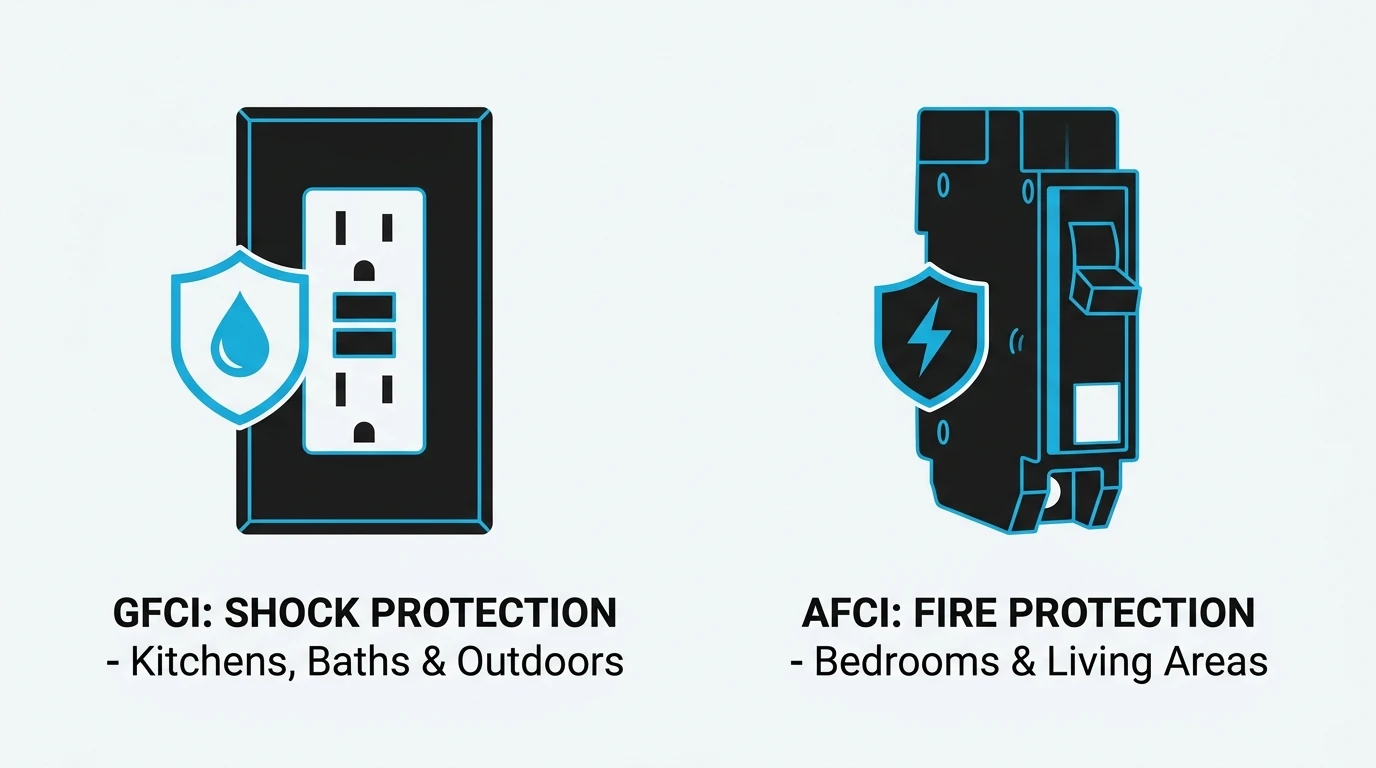
GFCI outlets protect people from dangerous electrical shocks, while AFCI breakers protect homes from electrical fires. Here is how each device works and where Oregon code requires them.
Generators vs. Battery Backup
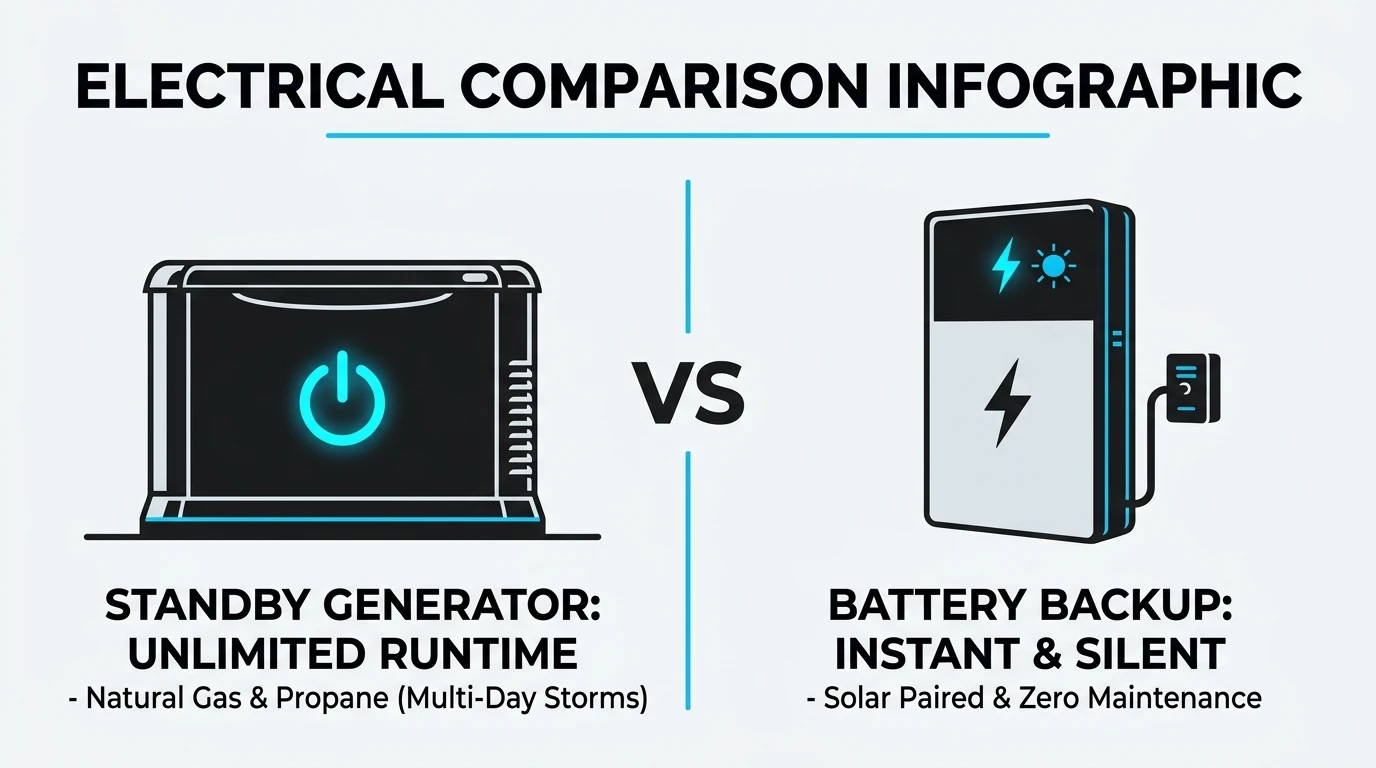
Comparing standby generators and solar battery backup systems for Oregon power outages. Winter storm runtimes, power capacity, maintenance, and which option fits your home.
Knob and Tube Wiring: Is It Safe?
Knob and tube wiring powered homes built before the 1940s. Here is how to spot it, why it becomes a fire risk with age, and what Oregon homeowners can do about it.
8 Signs You Need an Electrical Panel Upgrade
Flickering lights, a full panel, an old fuse box or a new EV charger on the way. The eight signs your electrical panel is due for an upgrade, and what the process looks like in Oregon.

Why Is My Outlet Not Working, and Why Won't the GFCI Reset?
Why outlets stop working, why a GFCI outlet won't reset, the warning signs that mean stop using it, and what an electrician checks.
Whole House Surge Protectors: Do You Need One?
A whole house surge protector mounts at your electrical panel and guards every circuit in the home. Here is what it protects, who benefits most, and how it works with plug-in strips.
How Many Outlets Can Go on a 20 Amp Circuit?
The electrical code does not set a hard limit for most home outlets, but there is a practical answer. Here is the common planning rule, the rooms that need their own 20 amp circuits, and why wire size matters.
Level 2 EV Charger Installation at Home
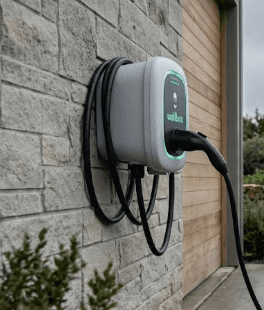
A Level 2 charger can refill most EVs overnight. Here is what a home install involves, how the circuit is sized, hardwired vs. plug-in options, and why the panel and wiring work belongs to a licensed electrician.
Aluminum Wiring in Older Homes: Risks and Fixes
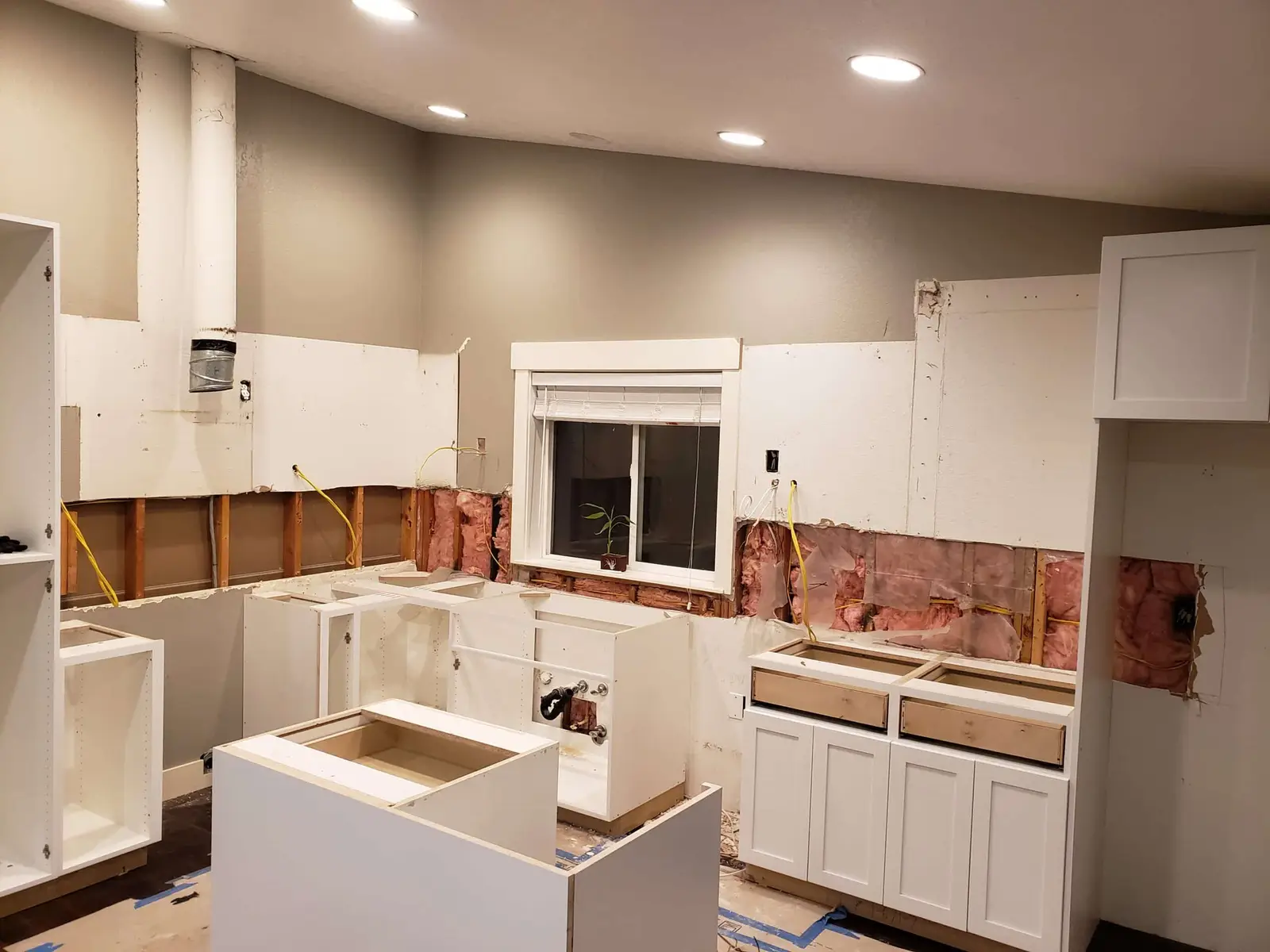
Many homes built in the mid 1960s to mid 1970s have aluminum branch wiring. Here is why it can be a fire risk, the warning signs to watch for, and the repair options a licensed electrician can offer.
Why Do My Lights Flicker?
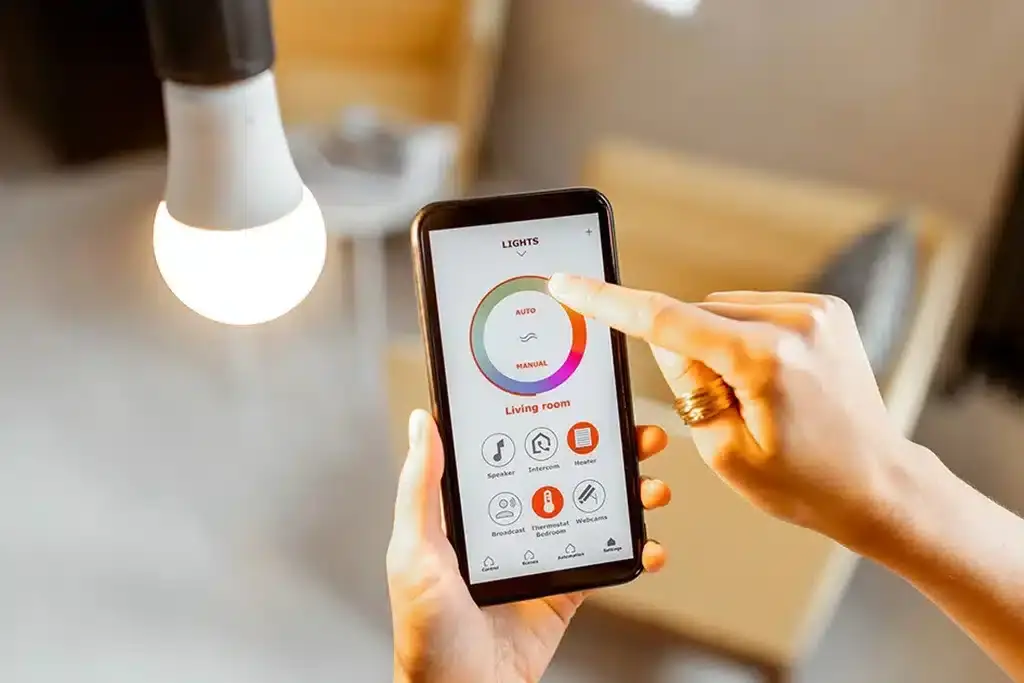
Flickering lights can be a small nuisance or an early sign of a loose connection. Here is what causes flicker, what each cause means for safety, what an electrician does about it and when it is urgent.
Is 100-Amp Service Enough for Your House?
Many older Oregon homes still run on 100-amp service. Here is when 100 amps is enough, when it is not, what a load calculation shows and when the panel is a safety concern.