8 Signs You Need an Electrical Panel Upgrade
Flickering lights, a full panel, an old fuse box or a new EV charger on the way. The eight signs your electrical panel is due for an upgrade, and what the process looks like in Oregon.
Quick Answer
You likely need a panel upgrade if you still have fuses or 60 to 100 amp service, the panel is full, breakers trip often, lights dim when appliances start, or you are adding an EV charger, heat pump or hot tub. Most modern homes run on 200 amp service.
Key Guide Highlights
What Your Electrical Panel Does
Your panel takes power from the utility and splits it into circuits, each protected by a breaker. Its amperage rating sets how much power your home can use at once. Older homes were built for far less than today's kitchens, EVs and heat pumps need.
The 8 Signs
1. You Still Have Fuses
Fuse boxes were standard before the 1960s. They work, but they are easy to overfuse, offer no modern protection and often worry insurers.
2. 60 or 100 Amp Service
Check the main breaker at the top of the panel. If it reads 60 or 100, your home may not support major new loads.
3. You Are Adding an EV Charger, Heat Pump or Hot Tub
A Level 2 EV charger, a heat pump or a hot tub each adds a large dedicated circuit. A load calculation shows whether your current service can handle it.
4. The Panel Is Full
No open slots, or lots of tandem and doubled-up breakers, means there is no room for new circuits.
5. Breakers Trip Often
Frequent trips from normal use point to circuits that are overloaded for how you live now.
6. Lights Dim or Flicker
Lights that dim when the AC, dryer or microwave starts can mean the service is undersized or a connection is loose.
7. Heat, Buzzing or Burning Smells
A panel should never feel hot, buzz or smell. These are signs of failing breakers or loose connections. Call an electrician right away.
8. A Panel Brand With Known Problems
Some older panels, including certain Federal Pacific Stab-Lok and Zinsco models, have well-documented histories of breakers that fail to trip. If you have one, have it evaluated.
What a Panel Upgrade Involves
A typical upgrade is completed in a day, with the power off for part of it:
- Load calculation to size the new service correctly
- Permit from your city or county
- Coordination with PGE or Pacific Power to disconnect and reconnect service
- New panel, main breaker and, if needed, new meter base and grounding
- Final inspection by the electrical inspector
Plan Ahead for What You Will Add
If an EV, heat pump, induction range or solar system is in your future, size the new panel for it now. Upgrading once is far easier than upgrading twice.
Empyre Electric handles the permit, the utility coordination and the inspection, and we size every upgrade to the equipment you plan to add.
Verified by Empyre Electric Licensed Electricians
Written by our licensed electrical team in Woodburn, Oregon (Oregon CCB #249777). Code-compliant, safe, and tailored for residential and commercial electrical systems across Portland, Salem, and the Willamette Valley.
More Electrical Guides
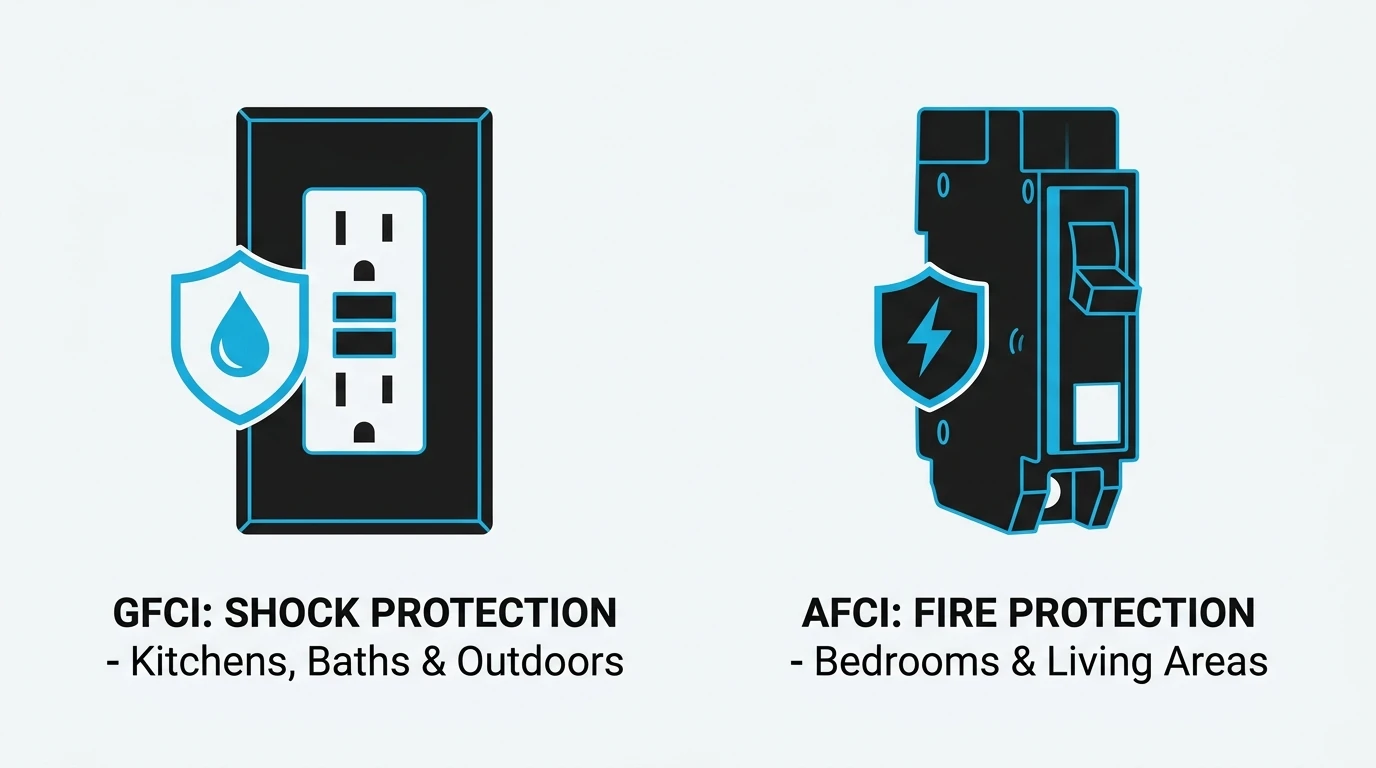
GFCI vs. AFCI Outlets
GFCI outlets protect people from dangerous electrical shocks, while AFCI breakers protect homes from electrical fires. Here is how each device works and where Oregon code requires them.
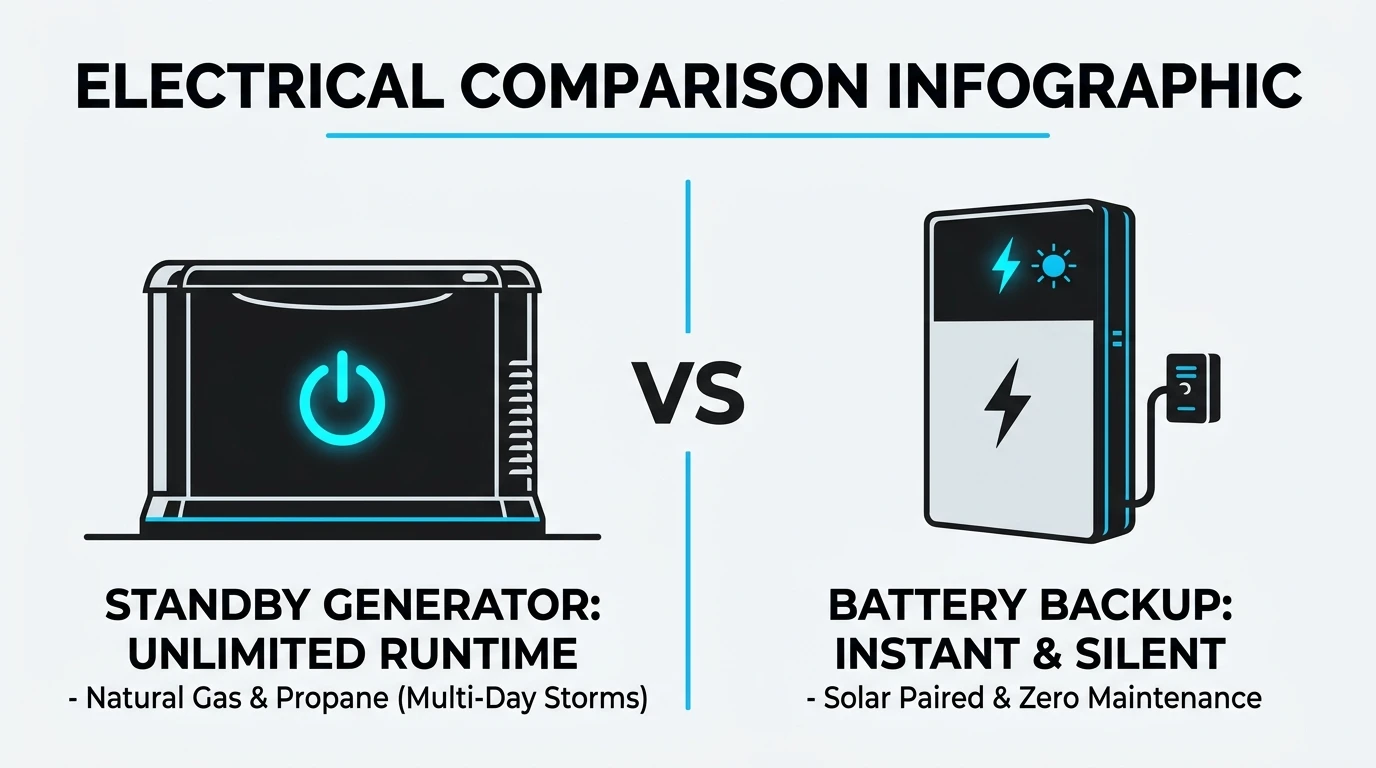
Generators vs. Battery Backup
Comparing standby generators and solar battery backup systems for Oregon power outages. Winter storm runtimes, power capacity, maintenance, and which option fits your home.
Knob and Tube Wiring: Is It Safe?
Knob and tube wiring powered homes built before the 1940s. Here is how to spot it, why it becomes a fire risk with age, and what Oregon homeowners can do about it.
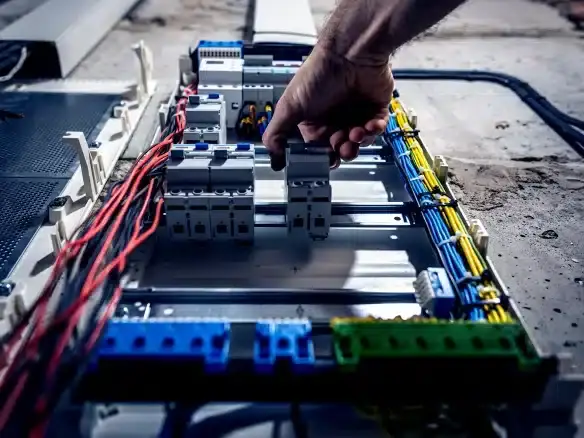
Breaker Keeps Tripping? How to Reset It and Find the Cause
How to safely reset a tripped breaker, the four reasons breakers trip, and the warning signs that mean you need an electrician instead of another reset.

Outlet Not Working? Why a GFCI Won't Reset and How to Fix It
Dead outlet, half an outlet working, or a GFCI that won't reset? Six quick checks that solve most dead outlets, and the warning signs that mean you should stop and call.