Is 100-Amp Service Enough for Your House?
Many older Oregon homes still run on 100-amp service. Here is when 100 amps is enough, when it is not, what a load calculation shows and when the panel is a safety concern.
Quick Answer
100-amp service can be enough for a smaller home with gas heat, a gas water heater and no plans for big new electric loads. It is often not enough for an all-electric home, or once you add a heat pump, EV charger, hot tub or electric range. A licensed electrician runs a load calculation to give you a real answer. Most new homes today are built with 200-amp service.
Key Guide Highlights
The Short Answer
Your service size is how much power your home can draw from the utility at one time. It is set by the meter, the service wires and the main breaker in your panel. 100-amp service was common in homes built from the 1950s into the 1980s. Most new homes today get 200 amps.
The National Electrical Code still treats 100 amps as the minimum for a single-family home. So 100-amp service is not wrong or illegal on its own. The real question is whether it covers what your household uses now and what you plan to add.
For a modest home with gas heat, a gas water heater and a gas range, 100 amps is often enough. For a home that heats, cooks and charges a car with electricity, it often is not.
What Uses Up a 100-Amp Service?
Lights, TVs and phone chargers barely matter. A few large appliances use most of your capacity. These are the loads that decide whether 100 amps is enough.
1. Electric Heat and Heat Pumps
Heating is the biggest load in most Oregon homes. Baseboard heat, an electric furnace or a heat pump with electric backup strips can draw a large share of a 100-amp service on a cold Willamette Valley morning. Backup heat strips are especially hungry. Many homeowners switching from gas or oil to a heat pump find this is the load that tips them over.
2. An EV Charger
A Level 2 charger is a large load that can run for hours at a time, usually overnight. On a 100-amp service that already carries electric heat or an electric water heater, there may not be room for it without load management or an upgrade.
3. Electric Water Heater, Range and Dryer
Each of these needs its own 240-volt circuit. One or two can fit on 100 amps. All three, plus electric heat, usually push the service to its limit.
4. Hot Tubs, Shops and Additions
A hot tub, a detached shop with welders or compressors, an ADU or a large addition all add steady demand. These projects are one of the most common reasons we recommend a service upgrade.
When Is 100 Amps Usually Enough, and When Is It Not?
Every home is different, so treat this as a starting point. The load calculation in the next section gives the real answer.
| Your Home | Is 100 Amps Likely Enough? | Why |
|---|---|---|
| Smaller home, gas heat, gas water heater and range | Often yes | Gas handles the biggest loads |
| Gas heat, electric range, water heater and dryer | Sometimes | Several 240-volt loads share the service |
| Electric furnace, baseboard heat or heat pump with strips | Often no | Heating can use most of the capacity |
| Adding an EV charger | Depends | Long overnight load on top of everything else |
| Adding a hot tub, shop, ADU or addition | Usually no | Large new loads that run for hours |
How Does an Electrician Decide If 100 Amps Is Enough?
A licensed electrician does not guess based on the size of the house. They run a load calculation, the same method the electrical code uses for new homes and service changes. A typical visit includes:
- Confirming the actual rating of your meter base, service wires and main breaker, since all three have to match
- Listing your large appliances and their nameplate ratings, plus the square footage of the home
- Adding any loads you plan to install, such as a heat pump, EV charger or hot tub
- Applying the code's demand factors to find the total load the service has to carry
- Inspecting the panel for open breaker spaces, heat damage, double-tapped breakers and corrosion
- Explaining your options: keep the service as it is, add load management, or upgrade to 200 amps
Are There Options Besides a Full Upgrade?
Sometimes. If the load calculation shows you are close to the limit, an electrician may suggest a load management device or a smart panel. These watch the total draw and pause a flexible load, like an EV charger or water heater, when the house is busy. That can let a new load fit without a new service.
Load management is not right for every home. If the panel is old, full, damaged or a brand with known problems, an upgrade is usually the safer path. A service upgrade also involves a permit, an inspection and coordination with your utility, such as PGE or Salem Electric, to disconnect and reconnect power. Your electrician handles those steps.
When Is a 100-Amp Panel a Safety Concern?
Running out of capacity is a planning problem. Some signs point to a panel that is already overloaded or failing. If you notice any of these, call a licensed electrician soon. If there is a burning smell, smoke or visible scorching at the panel, shut off the main breaker if you can do so safely, leave the area and call. If you see flames, leave the home and call 911.
- The main breaker trips, or breakers trip whenever two large appliances run at once
- The panel cover or breakers feel warm to the touch
- Buzzing, crackling or sizzling from the panel
- A burning plastic or hot electrical smell near the panel
- Lights that dim noticeably when the heat, dryer or range turns on
- Rust, water stains or scorch marks on or around the panel
Common Questions
Is 100-amp service up to code?
Yes. The National Electrical Code sets 100 amps as the minimum service for a single-family home. Being up to code does not mean it fits your loads. Whenever you add a large appliance, an electrician should confirm the service can carry it.
Can I add a heat pump on 100-amp service?
Sometimes. It depends on the size of the heat pump, whether it has electric backup strips and what else runs on electricity in the home. A load calculation tells you whether it fits as is, fits with load management or needs a service upgrade.
Will upgrading to 200 amps raise my electric bill?
No. A bigger service does not use more power on its own. You pay for the energy your appliances use, not for the size of the service. The upgrade just gives your home room to run more at once safely.
100-Amp Service Checks and Upgrades From Empyre Electric
Our licensed electricians run load calculations and upgrade electrical service for homes across Woodburn, Salem, Keizer, Portland and the Willamette Valley. We tell you honestly whether your 100-amp service is enough, whether load management makes sense, or whether an upgrade to 200 amps is the right call. We pull the permit and coordinate with your utility.
If you are adding a car charger, read our guide to Level 2 EV charger installation. If you are seeing other warning signs, our guides on signs you need an electrical panel upgrade and why a breaker keeps tripping can help. Wondering about your service? Contact us for a free estimate.
Verified by Empyre Electric Licensed Electricians
Written by our licensed electrical team in Woodburn, Oregon (Oregon CCB #249777). Code-compliant, safe, and tailored for residential and commercial electrical systems across Portland, Salem, and the Willamette Valley.
More Electrical Guides
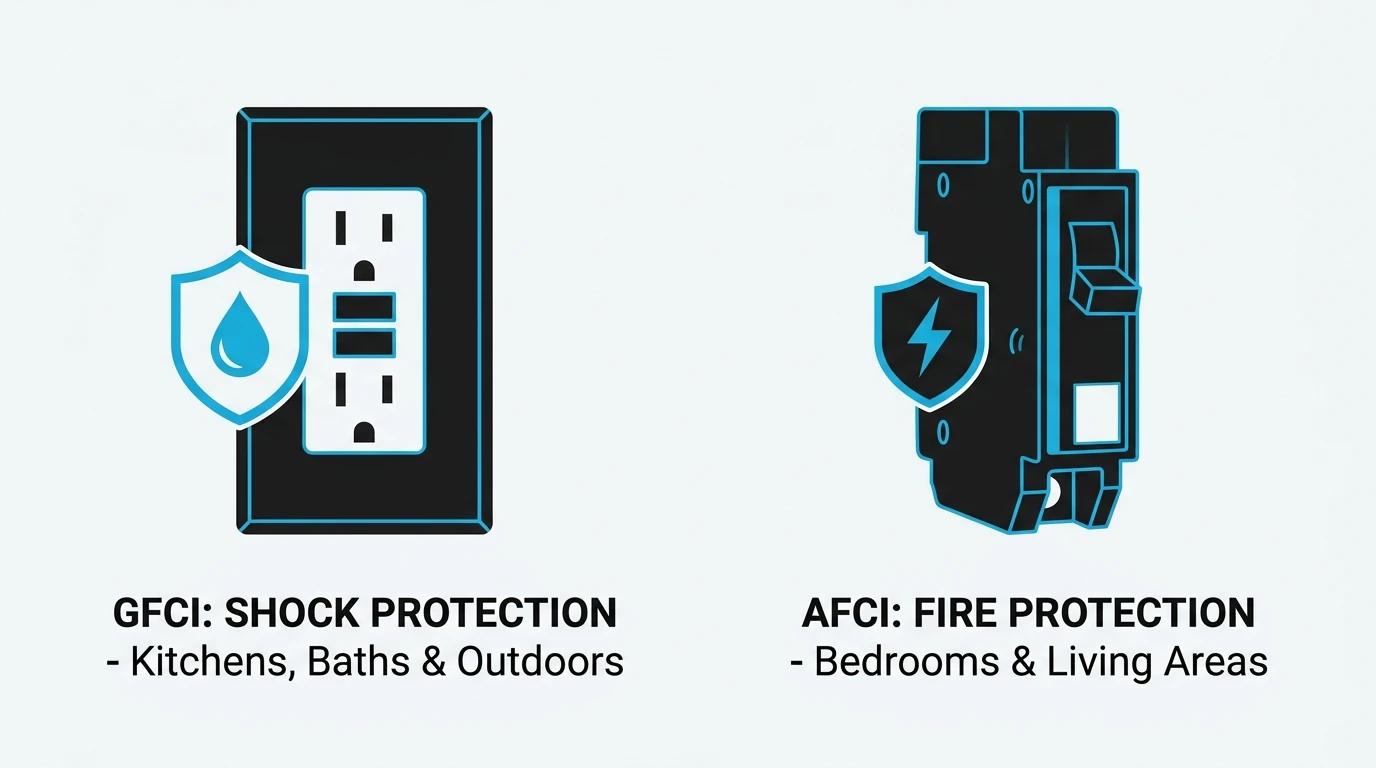
GFCI vs. AFCI Outlets
GFCI outlets protect people from dangerous electrical shocks, while AFCI breakers protect homes from electrical fires. Here is how each device works and where Oregon code requires them.
Generators vs. Battery Backup
Comparing standby generators and solar battery backup systems for Oregon power outages. Winter storm runtimes, power capacity, maintenance, and which option fits your home.
Knob and Tube Wiring: Is It Safe?
Knob and tube wiring powered homes built before the 1940s. Here is how to spot it, why it becomes a fire risk with age, and what Oregon homeowners can do about it.
Why Does My Breaker Keep Tripping?
What a breaker trip means, the four reasons breakers trip, what the timing of the trip tells you, and what an electrician does to fix it for good.
8 Signs You Need an Electrical Panel Upgrade
Flickering lights, a full panel, an old fuse box or a new EV charger on the way. The eight signs your electrical panel is due for an upgrade, and what the process looks like in Oregon.
Why Is My Outlet Not Working, and Why Won't the GFCI Reset?
Why outlets stop working, why a GFCI outlet won't reset, the warning signs that mean stop using it, and what an electrician checks.
Whole House Surge Protectors: Do You Need One?
A whole house surge protector mounts at your electrical panel and guards every circuit in the home. Here is what it protects, who benefits most, and how it works with plug-in strips.
How Many Outlets Can Go on a 20 Amp Circuit?
The electrical code does not set a hard limit for most home outlets, but there is a practical answer. Here is the common planning rule, the rooms that need their own 20 amp circuits, and why wire size matters.
Level 2 EV Charger Installation at Home
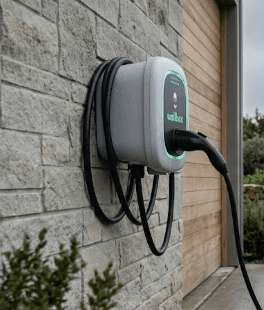
A Level 2 charger can refill most EVs overnight. Here is what a home install involves, how the circuit is sized, hardwired vs. plug-in options, and why the panel and wiring work belongs to a licensed electrician.
Aluminum Wiring in Older Homes: Risks and Fixes
Many homes built in the mid 1960s to mid 1970s have aluminum branch wiring. Here is why it can be a fire risk, the warning signs to watch for, and the repair options a licensed electrician can offer.

Why Do My Lights Flicker?
Flickering lights can be a small nuisance or an early sign of a loose connection. Here is what causes flicker, what each cause means for safety, what an electrician does about it and when it is urgent.