
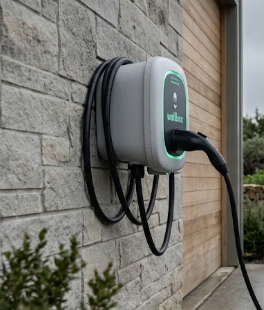
Level 2 EV Charger Installation at Home
A Level 2 charger can refill most EVs overnight. Here is what a home install involves, how the circuit is sized, hardwired vs. plug-in options, and why the panel and wiring work belongs to a licensed electrician.
Quick Answer
A Level 2 EV charger runs on a dedicated 240 volt circuit, usually 40 to 60 amps. The circuit must be rated for 125 percent of the charger's output, so a 48 amp charger needs a 60 amp circuit. A licensed electrician checks your panel capacity, runs the wire, installs the charger or outlet and pulls the permit. Most installs take one day, and the work must pass inspection in Oregon.
Key Guide Highlights
The Short Answer
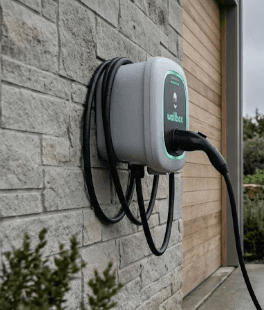
Level 2 charging is the most practical way to charge an electric car at home. It uses 240 volts, the same type of power that runs an electric dryer or range. Most EVs can go from low to full overnight on a Level 2 charger.
The install itself means adding a new circuit from your electrical panel to your garage or driveway. That is panel and wiring work. In Oregon it needs an electrical permit and an inspection, and it should be done by a licensed electrician.
This guide walks through what you need to decide, what the electrician will check and what the install day looks like.
Level 1 vs. Level 2 Charging
Every EV comes able to charge from a normal 120 volt outlet. This is called Level 1. It works, but it is slow. A Level 1 cord often adds only a few miles of range per hour. If you drive a lot, you may never catch up overnight.
Level 2 runs on 240 volts and delivers much more power. Depending on the charger and the car, it can add roughly 20 to 40 miles of range per hour. For most drivers, that means a full battery every morning.
Your car also has a limit on how fast it accepts AC power. A bigger charger will not help if the car cannot use it. Check your vehicle's onboard charger rating before you pick a charger.
How the Circuit Is Sized
The electrical code treats EV charging as a continuous load, because it can run for hours. The circuit must be rated for at least 125 percent of the charger's output. Put another way, the charger can use no more than 80 percent of the breaker rating.
| Charger Output | Minimum Circuit Size | Good to Know |
|---|---|---|
| 32 amps | 40 amp circuit | A common setting for smaller panels |
| 40 amps | 50 amp circuit | Matches a typical NEMA 14-50 outlet |
| 48 amps | 60 amp circuit | The fastest home setting for most cars |
Hardwired or Plug-In?
There are two ways to connect a Level 2 charger. Each has trade-offs.
- Hardwired: the charger is wired directly to the circuit. This allows the highest output, up to 48 amps on a 60 amp circuit. There is no plug to wear out or overheat.
- Plug-in: the electrician installs a 240 volt outlet, usually a NEMA 14-50, and the charger plugs into it. It is easier to replace or take with you if you move. Output is capped lower, usually 40 amps.
- Outlet quality matters. EV charging pulls heavy current for hours. Cheap outlets and loose connections can overheat. Your electrician should use an industrial-grade receptacle and torque every connection to spec.
- Newer code editions require GFCI protection for EV charging outlets. Your electrician will use the right breaker or device for your setup.
Can Your Panel Handle It?
This is the most important question, and it needs a licensed electrician to answer it. A Level 2 charger is one of the largest loads in a home. Before adding it, the electrician runs a load calculation. It looks at your service size, your heating and cooling, your water heater, your range and everything else on the panel.
Many homes with 200 amp service have room for a charger. Older homes with 100 amp service may not. You have a few options if the panel is tight:
- Set the charger to a lower output, such as 32 amps, so it fits your available capacity
- Add a load management device that pauses charging when other big loads run
- Use a charger with built-in power sharing if you plan to charge two cars
- Upgrade the panel or service if the home needs more capacity overall
Choosing a Spot for the Charger
Think about where you park and where the charge port is on your car. A short cable run from the charger to the port is easier to use every day. Most cables are long enough to reach either side of a single-car space, but not always across a two-car garage.
The distance from the panel to the charger also matters. Longer runs need more wire and sometimes larger wire. Garages next to the panel are usually the simplest installs. Detached garages and driveway posts may need trenching or a subpanel.
If the charger will be outdoors, choose one rated for outdoor use. Oregon winters are wet. The electrician will use weather-rated fittings and a proper mounting location.
What Happens on Install Day
Most Level 2 installs in a garage near the panel take about one day. Here is the usual order of work:
- The electrician confirms the load calculation and the charger location
- The permit is pulled before or at the start of the job
- A new breaker is installed in the panel
- Wire is run from the panel to the charger, in conduit where needed
- The charger is mounted and connected, or the outlet is installed
- The charger's output setting is matched to the circuit size
- The system is tested with your car, then inspected
Why This Is Not a DIY Project
Installing a Level 2 charger means working inside your electrical panel and running a high-amperage circuit. Parts of the panel stay energized even with the main breaker off. A wrong wire size, a loose lug or a missing ground can cause shock, burns or a fire that starts hours into a charge.
Oregon requires an electrical permit for a new EV charging circuit, and the work must pass inspection. Hire a licensed electrician. They will size the circuit, set the charger correctly and handle the permit. A permitted install also protects you with your insurer and when you sell the home.
Your part is simple. Pick a charger that is safety listed by a recognized testing lab, know your car's charging limit and decide where you want to plug in. Leave the panel, circuit and wiring to the pro.
Common Questions
How long does a Level 2 EV charger installation take?
A simple garage install near the panel usually takes one day. Long wire runs, detached garages or a needed panel upgrade can add time. The inspection is scheduled after the work is done.
Do I need a permit to install an EV charger in Oregon?
Yes. A new 240 volt circuit for an EV charger requires an electrical permit and an inspection in Oregon. A licensed electrician pulls the permit as part of the job.
Do I need a 200 amp panel for a Level 2 charger?
Not always. Some homes with smaller service can add a charger at a lower setting or with a load management device. A load calculation from a licensed electrician is the only way to know for sure.
Level 2 Charger Installs From Empyre Electric
Our licensed electricians install Level 2 chargers for homes across Woodburn, Salem, Keizer, Portland and the Willamette Valley. We run the load calculation, size the circuit, install hardwired chargers or NEMA 14-50 outlets and pull the required permit.
If your panel is near its limit, read our guide on signs you need an electrical panel upgrade. To protect your charger and other hardwired equipment, see our guide to whole house surge protectors. Ready to charge at home? Contact us for a free estimate.
Verified by Empyre Electric Licensed Electricians
Written by our licensed electrical team in Woodburn, Oregon (Oregon CCB #249777). Code-compliant, safe, and tailored for residential and commercial electrical systems across Portland, Salem, and the Willamette Valley.
More Electrical Guides
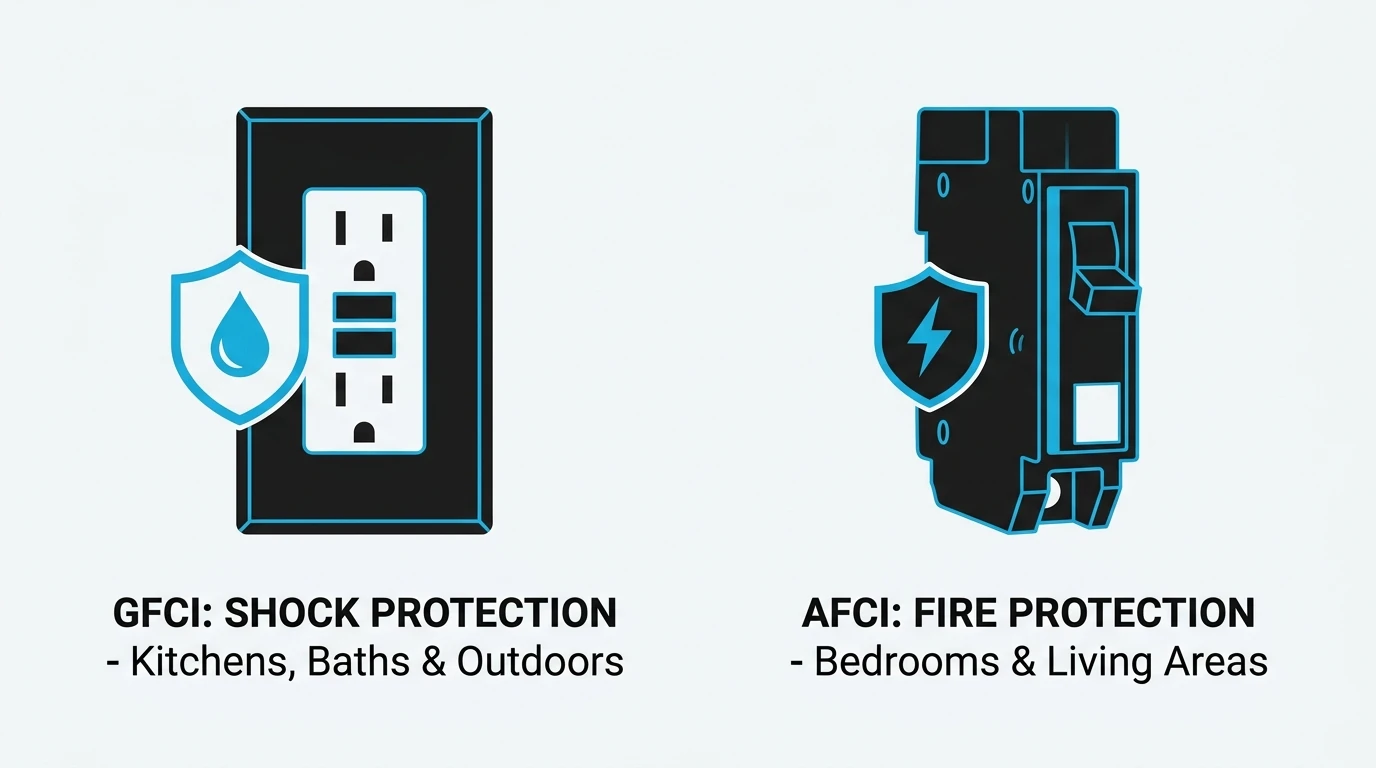
GFCI vs. AFCI Outlets
GFCI outlets protect people from dangerous electrical shocks, while AFCI breakers protect homes from electrical fires. Here is how each device works and where Oregon code requires them.
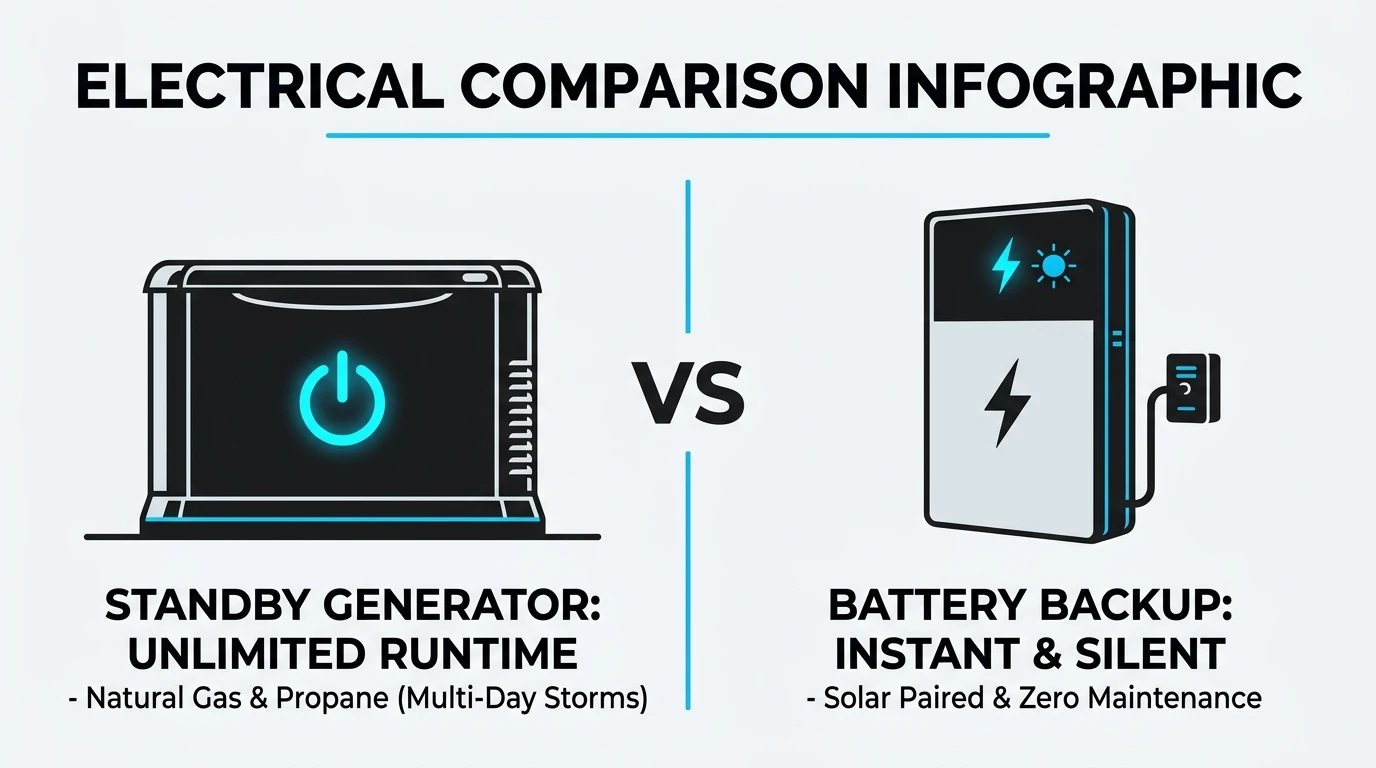
Generators vs. Battery Backup
Comparing standby generators and solar battery backup systems for Oregon power outages. Winter storm runtimes, power capacity, maintenance, and which option fits your home.
Knob and Tube Wiring: Is It Safe?
Knob and tube wiring powered homes built before the 1940s. Here is how to spot it, why it becomes a fire risk with age, and what Oregon homeowners can do about it.
Breaker Keeps Tripping? How to Reset It and Find the Cause
How to safely reset a tripped breaker, the four reasons breakers trip, and the warning signs that mean you need an electrician instead of another reset.
8 Signs You Need an Electrical Panel Upgrade
Flickering lights, a full panel, an old fuse box or a new EV charger on the way. The eight signs your electrical panel is due for an upgrade, and what the process looks like in Oregon.

Outlet Not Working? Why a GFCI Won't Reset and How to Fix It
Dead outlet, half an outlet working, or a GFCI that won't reset? Six quick checks that solve most dead outlets, and the warning signs that mean you should stop and call.
Whole House Surge Protectors: Do You Need One?
A whole house surge protector mounts at your electrical panel and guards every circuit in the home. Here is what it protects, who benefits most, and how it works with plug-in strips.
How Many Outlets Can Go on a 20 Amp Circuit?
The electrical code does not set a hard limit for most home outlets, but there is a practical answer. Here is the common planning rule, the rooms that need their own 20 amp circuits, and why wire size matters.