
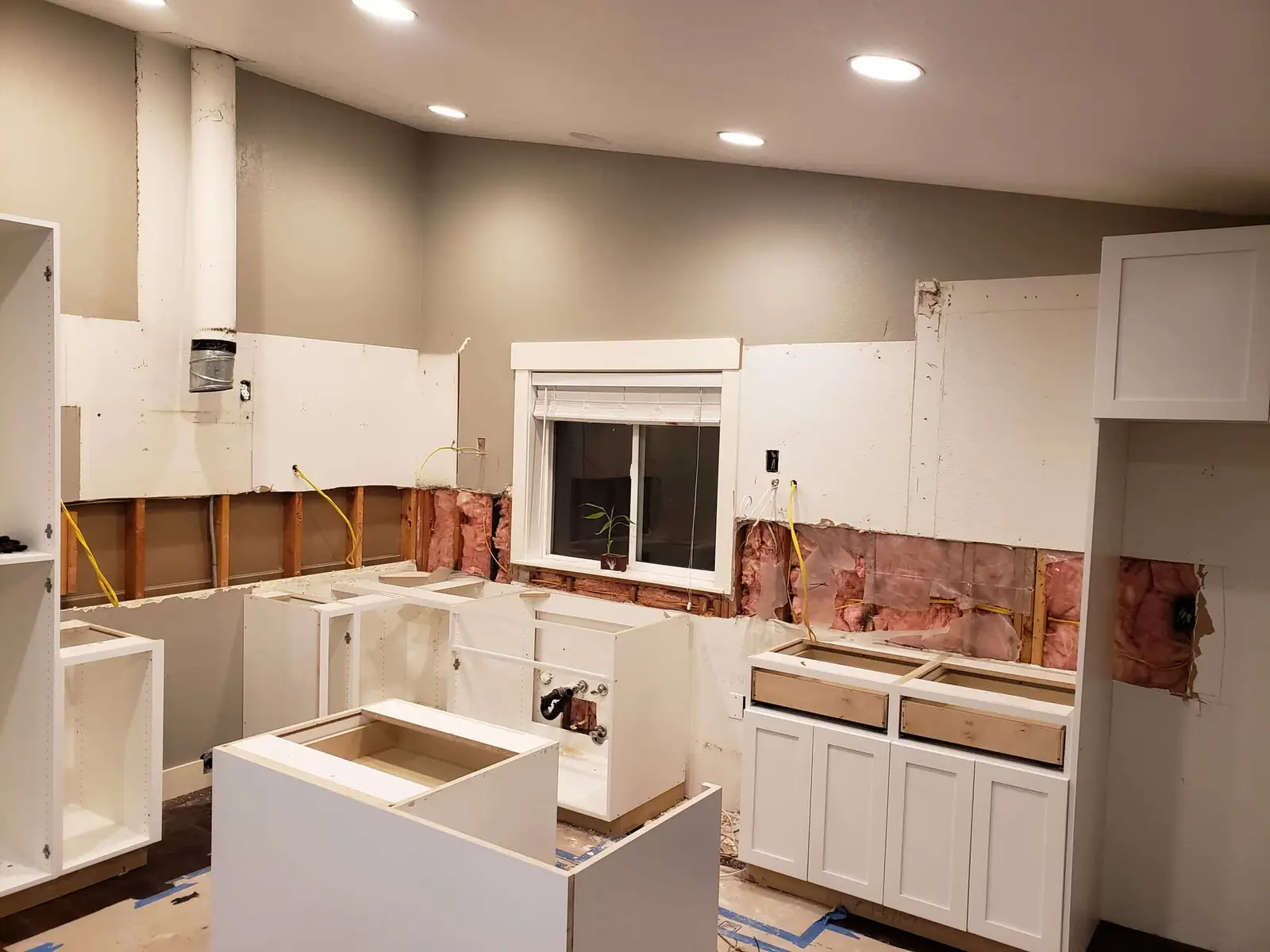
Aluminum Wiring in Older Homes: Risks and Fixes
Many homes built in the mid 1960s to mid 1970s have aluminum branch wiring. Here is why it can be a fire risk, the warning signs to watch for, and the repair options a licensed electrician can offer.
Quick Answer
Aluminum branch wiring was used in many homes built from about the mid 1960s to the mid 1970s. The wire itself is not the main problem. The risk is at the connections, where aluminum can loosen, oxidize and overheat over time. Warm outlets, flickering lights or a burning smell are warning signs. Do not open outlets or panels yourself. Have a licensed electrician inspect the home and recommend a repair or a rewire.
Key Guide Highlights
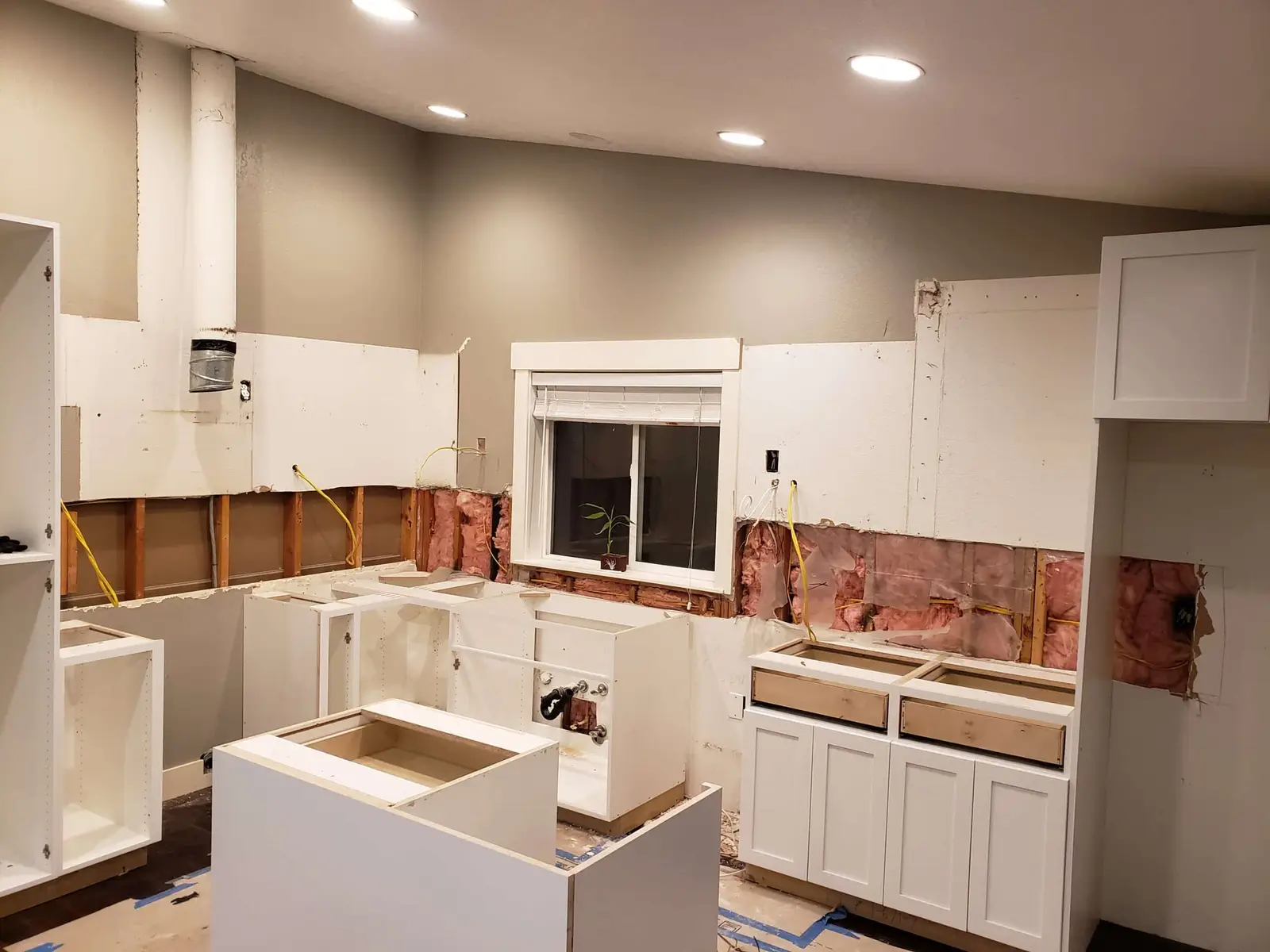
The Short Answer
Aluminum wiring is not something to panic about, but it is something to deal with. Homes with aluminum branch circuits have a higher risk of overheated connections than homes wired with copper. Those hot connections are what can lead to a fire.
The good news is that the risk can be managed. A licensed electrician can inspect the wiring, find any connections that are already failing and repair them with methods made for aluminum. Some homeowners choose to replace the aluminum with copper over time.
Your job as a homeowner is to know the warning signs and to call a pro. All of the hands-on work belongs to a licensed electrician.
Why Homes Were Wired With Aluminum
In the mid 1960s, copper prices climbed sharply. Builders looked for a cheaper option, and aluminum wire became common for the branch circuits that feed outlets, switches and lights. It was used in houses, apartments and mobile homes until about the mid 1970s.
Plenty of homes across Salem, Keizer, Woodburn, Portland and the Willamette Valley were built in that window. Some older homes also had additions or remodels from that era wired in aluminum, even if the rest of the house is copper.
Aluminum is still used today for some large service and feeder cables. That wire uses a different alloy and larger sizes, and it is installed with lugs rated for it. The concern in this guide is the older, smaller branch circuit wiring.
Why Aluminum Wiring Can Be a Fire Risk
The problem is almost always at the points where the wire connects to something. That includes outlets, switches, light fixtures, splices and the breaker panel.
Oxidation
Aluminum forms an oxide layer when it is exposed to air. That layer does not conduct electricity well. At a connection, it adds resistance, and resistance creates heat.
Expansion and Loosening
Aluminum expands and contracts more than copper as it heats and cools. Over years of use, this movement can loosen screw terminals. A loose connection runs hotter, which makes it loosen more.
Mismatched Devices
Many outlets and switches are made for copper only. When an aluminum wire is connected to a device that is not rated for it, the connection is more likely to fail. Later repairs and upgrades by past owners often used the wrong parts.
Warning Signs to Watch For
You do not need to open anything to spot trouble. Pay attention to how your outlets, switches and lights behave. Call a licensed electrician if you notice any of these:
- Outlet covers or switch plates that feel warm to the touch
- Lights that flicker or dim when nothing else is changing
- A burning plastic or hot electrical smell near an outlet, switch or the panel
- Discolored or scorched marks on outlet or switch covers
- Outlets or circuits that stop working for no clear reason
- Buzzing, crackling or sizzling sounds from a wall device
How to Tell If Your Home Has Aluminum Wiring
The year your home was built is the first clue. If it was built or added onto between the mid 1960s and mid 1970s, it is worth asking the question.
Sometimes you can see printing on cable jackets where they are exposed in an unfinished basement, garage or attic. Look for the word ALUMINUM or the letters AL. Only look. Do not touch, pull on or move the cables.
Do not remove outlet covers, switch plates or the panel cover to check. A licensed electrician can confirm the wire type safely during an inspection. A home inspection report from when you bought the house may also mention it.
Your Repair Options
There is no single fix for every home. A licensed electrician should inspect the wiring first and explain what fits your situation. These are the common options:
| Option | What It Involves | Good For |
|---|---|---|
| Inspection | Electrician checks devices, splices and the panel for heat damage and wrong parts | Every home with aluminum wiring |
| Connector repair | Short copper leads are joined to the aluminum with connectors made and listed for this repair | Homes where a full rewire is not practical |
| Full rewire | Aluminum branch circuits are replaced with new copper wiring | Remodels, additions and long-term peace of mind |
Why This Is Not a DIY Project
Aluminum wiring problems live inside boxes, walls and the panel. Working on them means handling energized parts and making connections that must be done with the right tools and listed parts. A connection that looks fine can still overheat later.
Some common shortcuts make things worse. Swapping in a standard outlet, using the wrong wire nut or simply tightening screws can leave the home less safe than before. Electrical repairs like these also need a permit in Oregon.
Keep your role simple. Watch for the warning signs, avoid overloading circuits with space heaters and other big loads, and call a licensed electrician to inspect and repair the wiring.
Insurance and Selling Your Home
Some insurance companies ask about aluminum wiring. Some may ask for an inspection or a letter from an electrician before they write or renew a policy. Buyers and their inspectors often flag it too.
A written inspection and a record of permitted repairs can make these talks easier. If you plan to sell, it often helps to deal with it before you list.
Common Questions
Is aluminum wiring safe?
Aluminum branch wiring can work for decades, but it carries a higher risk of overheated connections than copper. With a professional inspection and the right repairs, many homes with aluminum wiring can be made much safer.
Do I have to replace all the aluminum wiring in my home?
Not always. A licensed electrician may recommend repairing the connections with listed connectors instead of a full rewire. A full copper rewire is the most complete fix, and many owners do it during a remodel.
Can I just switch to outlets rated for aluminum?
Do not swap outlets or switches yourself. Device ratings, connection methods and the condition of the wire all matter, and only a licensed electrician should make that call and do the work.
Aluminum Wiring Inspections From Empyre Electric
Our licensed electricians inspect and repair aluminum wiring in homes across Woodburn, Salem, Keizer, Portland and the Willamette Valley. We check every connection we can reach, repair failing ones with listed methods and can rewire with copper when that makes more sense. We pull the permit and coordinate the inspection.
If your home is even older, read our guide on knob and tube wiring. If your breakers trip often or your panel is near its limit, see our guides on why a breaker keeps tripping and signs you need an electrical panel upgrade. Have a question about your wiring? Contact us for a free estimate.
Verified by Empyre Electric Licensed Electricians
Written by our licensed electrical team in Woodburn, Oregon (Oregon CCB #249777). Code-compliant, safe, and tailored for residential and commercial electrical systems across Portland, Salem, and the Willamette Valley.
More Electrical Guides
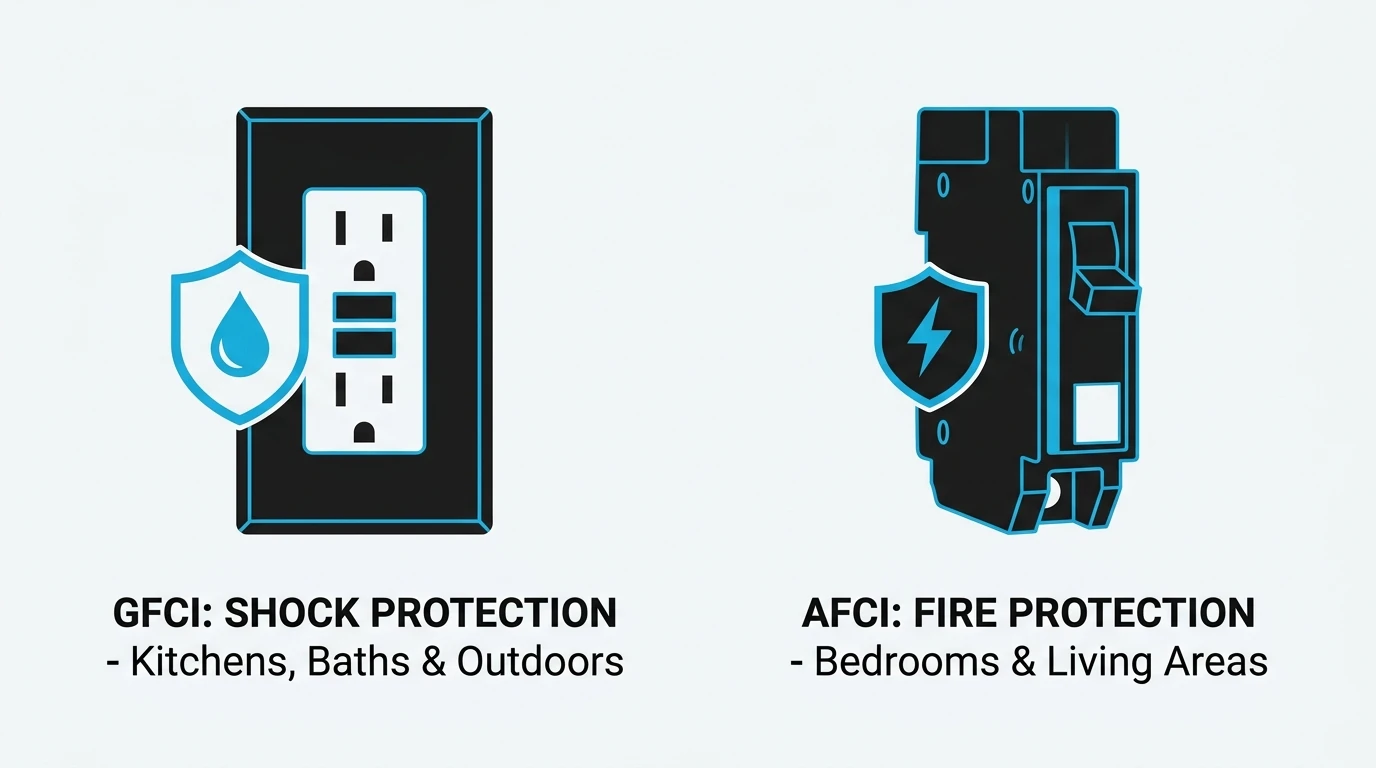
GFCI vs. AFCI Outlets
GFCI outlets protect people from dangerous electrical shocks, while AFCI breakers protect homes from electrical fires. Here is how each device works and where Oregon code requires them.
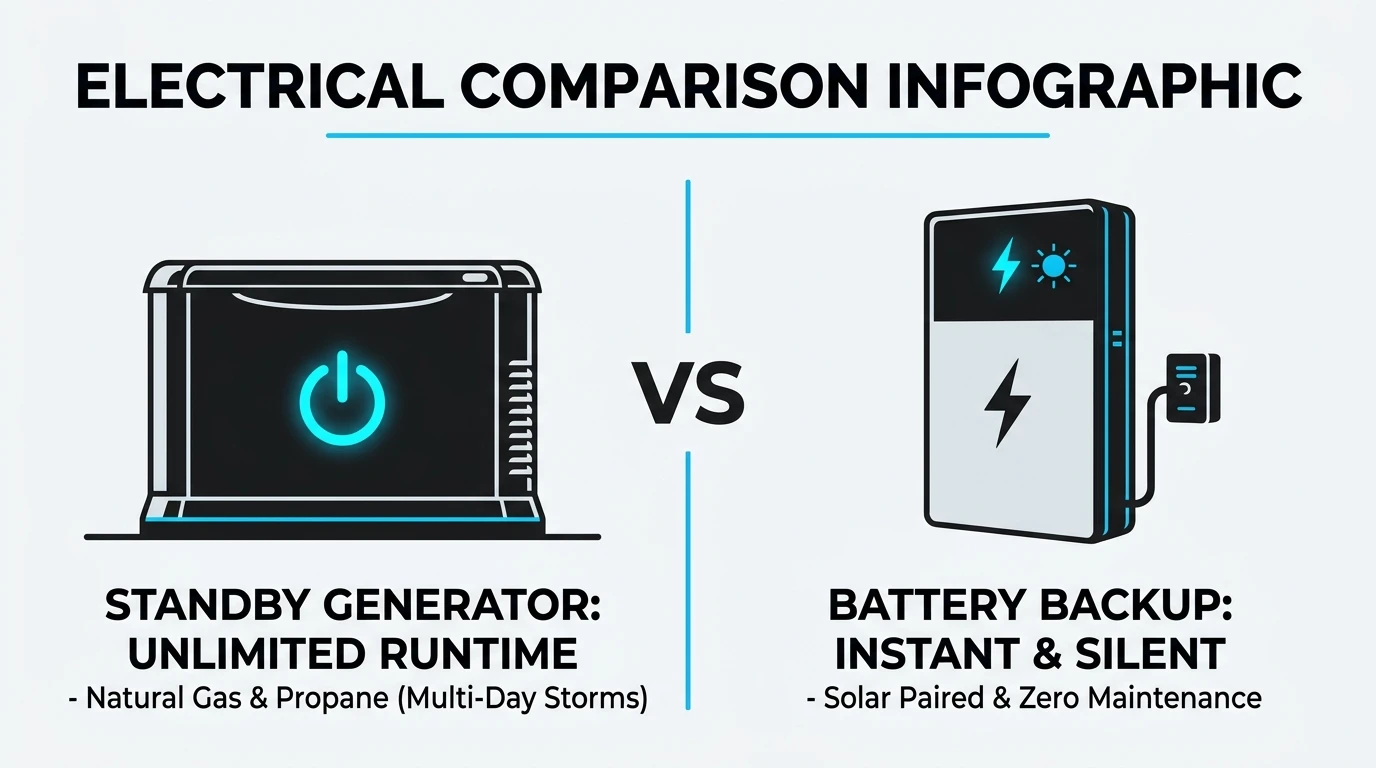
Generators vs. Battery Backup
Comparing standby generators and solar battery backup systems for Oregon power outages. Winter storm runtimes, power capacity, maintenance, and which option fits your home.
Knob and Tube Wiring: Is It Safe?
Knob and tube wiring powered homes built before the 1940s. Here is how to spot it, why it becomes a fire risk with age, and what Oregon homeowners can do about it.
Breaker Keeps Tripping? How to Reset It and Find the Cause
How to safely reset a tripped breaker, the four reasons breakers trip, and the warning signs that mean you need an electrician instead of another reset.
8 Signs You Need an Electrical Panel Upgrade
Flickering lights, a full panel, an old fuse box or a new EV charger on the way. The eight signs your electrical panel is due for an upgrade, and what the process looks like in Oregon.
Outlet Not Working? Why a GFCI Won't Reset and How to Fix It
Dead outlet, half an outlet working, or a GFCI that won't reset? Six quick checks that solve most dead outlets, and the warning signs that mean you should stop and call.
Whole House Surge Protectors: Do You Need One?
A whole house surge protector mounts at your electrical panel and guards every circuit in the home. Here is what it protects, who benefits most, and how it works with plug-in strips.
How Many Outlets Can Go on a 20 Amp Circuit?
The electrical code does not set a hard limit for most home outlets, but there is a practical answer. Here is the common planning rule, the rooms that need their own 20 amp circuits, and why wire size matters.
Level 2 EV Charger Installation at Home
A Level 2 charger can refill most EVs overnight. Here is what a home install involves, how the circuit is sized, hardwired vs. plug-in options, and why the panel and wiring work belongs to a licensed electrician.