
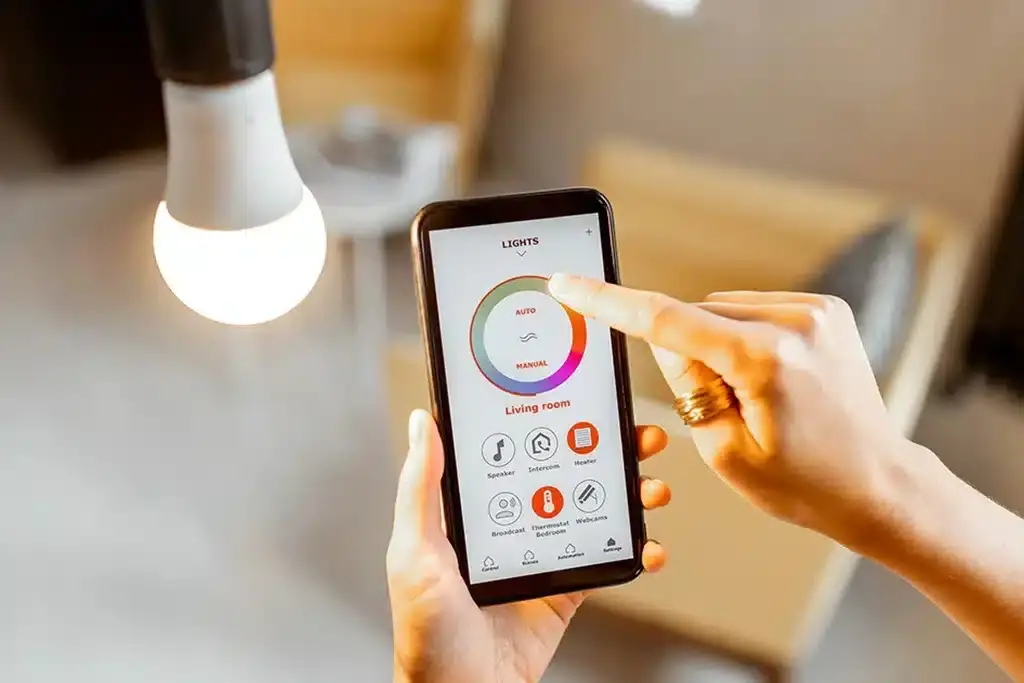
Why Do My Lights Flicker?
Flickering lights can be a small nuisance or an early sign of a loose connection. Here is what causes flicker, what each cause means for safety, what an electrician does about it and when it is urgent.
Quick Answer
Lights flicker when the power reaching them is not steady. Often the cause is minor, like an LED bulb that does not match its dimmer. But flicker can also come from a loose connection, a shared circuit, a failing breaker or a loose neutral, and some of those are fire risks. If the whole house flickers, if lights get brighter as well as dimmer, or if you notice a burning smell, buzzing or a warm switch plate, shut off the power at the breaker and call a licensed electrician.
Key Guide Highlights
The Short Answer
A light flickers when the power reaching it dips or wavers. Sometimes that is harmless. An LED bulb and an older dimmer that do not work well together is one of the most common causes, and it is not dangerous.
Other times, flicker is the first visible sign of a loose or failing connection somewhere between the utility line and the fixture. A loose connection creates heat. Heat at a connection is how many electrical fires start.
The pattern of the flicker tells a lot. One fixture, one room or the whole house each point to different causes. A licensed electrician can test the circuit and find out which one you have.
What Causes Lights to Flicker?
These are the most common causes we see in homes. They range from simple to serious.
1. A Loose Bulb or Fixture Connection
If one fixture flickers and nothing else does, the problem may be at that fixture. A bulb that is not seated well, a worn socket or a loose wire inside the fixture box can all make the light cut in and out. Wire connections inside the box can loosen over years of heating and cooling.
2. An Incompatible Dimmer and LED Bulb
Many older dimmer switches were made for incandescent bulbs. LED bulbs draw far less power and work differently. When the two do not match, you may see flicker, a strobe effect at low settings or a faint hum. This is usually a performance problem, not a fire risk, but it is worth having an electrician confirm the dimmer is rated for LED loads.
3. A Large Appliance on a Shared Circuit
Lights that dim for a moment when the furnace, air conditioner, washer or a space heater starts up are reacting to a sudden draw of power. A brief dip can be normal. Flicker that is strong, frequent or lasts longer than a second suggests the circuit is overloaded or the appliance should be on its own dedicated circuit.
4. A Loose Neutral
The neutral wire carries current back from your lights and outlets. When a neutral connection loosens in the panel, at the meter or on the service line, voltage in the home becomes unbalanced. Some lights get dimmer while others get brighter. This can damage electronics and appliances and can overheat wiring. It is one of the most serious causes of flicker.
5. A Failing Breaker or Panel Connection
Breakers and the bus bars they connect to can wear out or loosen. A breaker that is not making firm contact can cause flicker on every light on that circuit. Older panels, panels with signs of corrosion and panels with known problems are more likely to have this issue.
6. A Utility Side Problem
Sometimes the cause is outside your home. A damaged service drop, a loose connection at the weatherhead or meter, or trouble on the utility transformer can all cause flicker. Windstorms and winter weather across the Willamette Valley can stress overhead lines. If neighbors are seeing the same thing, the utility may need to be involved. An electrician can tell you which side of the meter the problem is on.
One Fixture, One Circuit or the Whole House?
Where the flicker shows up helps narrow the cause. Share these details when you call:
| Where It Flickers | Likely Cause | What It Means |
|---|---|---|
| One fixture only | Bulb, socket, fixture wiring or dimmer | Usually local, but a loose wire can still overheat |
| Lights on one circuit | Loose connection on the circuit or a worn breaker | A connection somewhere on that run is failing |
| When a big appliance starts | Shared or overloaded circuit | The load may need its own circuit |
| Whole house, some lights brighter | Loose neutral | Unbalanced voltage that can damage equipment |
| Whole house, neighbors too | Utility side issue | A problem on the lines or transformer |
Are Flickering Lights Dangerous?
It depends on the cause. A dimmer and bulb mismatch is mostly an annoyance. A loose connection is different. Every time current passes through a poor connection, that spot heats up. Over time the heat can melt insulation, scorch the device and start a fire inside a wall or box.
Homes with older wiring carry more risk. That includes homes with aluminum branch wiring, knob and tube wiring or older panels. Flicker in those homes deserves a prompt inspection.
Do not open switch plates, fixtures or the panel cover to look for the cause. The hands-on work belongs to a licensed electrician.
When Is Flickering an Emergency?
Some signs mean the problem is active and getting worse. If you notice any of these, shut off the power to that circuit at the breaker, or the main breaker if the whole house is affected, and call a licensed electrician right away. If you see smoke or flames, leave the home and call 911.
- A burning plastic or hot electrical smell near a light, switch, outlet or the panel
- Switch plates or outlet covers that feel warm to the touch
- Buzzing, crackling or sizzling sounds from a switch, fixture or the panel
- Lights across the whole house that flicker and get brighter as well as dimmer
- Scorch marks or discoloration on a switch, outlet or fixture
- Flicker along with appliances or electronics that suddenly fail
What Does an Electrician Do About Flickering Lights?
An electrician finds the cause instead of guessing. A typical visit includes:
- Asking where and when the flicker happens and what else is running at the time
- Measuring voltage at the affected lights and at the panel to look for drops or imbalance
- Checking switches, dimmers, fixtures and connections on the circuit for heat damage
- Inspecting breakers, bus connections and the neutral and ground connections in the panel
- Checking the meter base and service entrance and working with the utility if the problem is on their side
- Repairing loose or damaged connections, replacing worn devices or breakers and adding dedicated circuits where needed
Common Questions
Why do my LED lights flicker?
The most common reason is a dimmer switch that was not designed for LED bulbs. Low quality LED drivers and loose connections can also cause it. A licensed electrician can confirm whether the dimmer, the bulb or the wiring is the cause and install a compatible dimmer if needed.
Is it normal for lights to dim when my furnace or AC turns on?
A very brief dip when a large motor starts can be normal. If the dimming is strong, lasts more than a moment or keeps getting worse, the circuit may be overloaded or there may be a loose connection. Have an electrician check it.
Can flickering lights cause a fire?
The flicker itself does not, but the cause can. A loose or failing connection creates heat, and heat at a connection can start a fire. That is why repeated flicker, especially with a burning smell or warm switch plates, needs a prompt inspection.
Flickering Light Repair From Empyre Electric
Our licensed electricians troubleshoot flickering lights in homes and businesses across Woodburn, Salem, Keizer, Portland and the Willamette Valley. We test the circuit, find the failing connection, dimmer, breaker or neutral and repair it the right way. We pull permits when the work requires one.
If your breakers also trip often, read our guide on why a breaker keeps tripping. If your home was built in the mid 1960s to mid 1970s, see our guide to aluminum wiring in older homes. If the flicker points to the panel, our guide on signs you need an electrical panel upgrade can help. Seeing flicker at home? Contact us for a free estimate.
Verified by Empyre Electric Licensed Electricians
Written by our licensed electrical team in Woodburn, Oregon (Oregon CCB #249777). Code-compliant, safe, and tailored for residential and commercial electrical systems across Portland, Salem, and the Willamette Valley.
More Electrical Guides
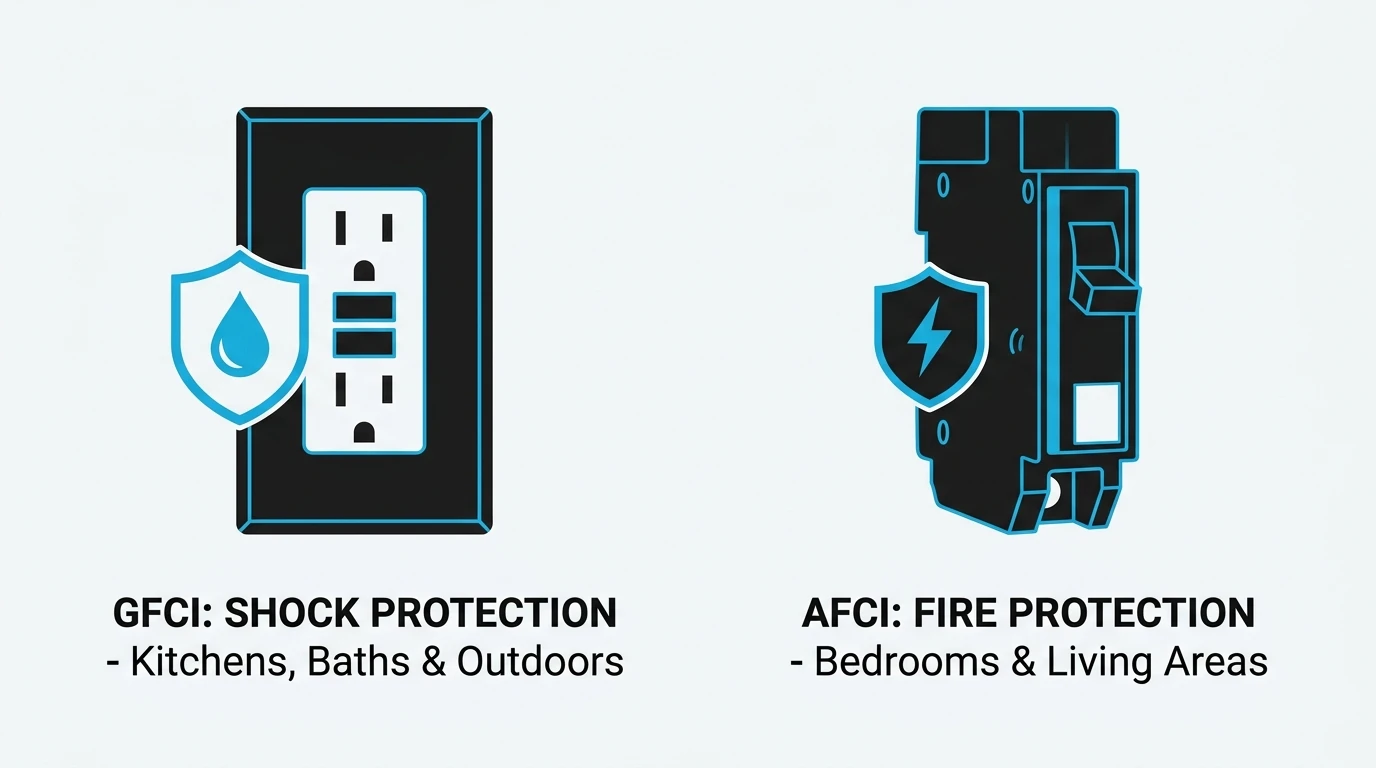
GFCI vs. AFCI Outlets
GFCI outlets protect people from dangerous electrical shocks, while AFCI breakers protect homes from electrical fires. Here is how each device works and where Oregon code requires them.
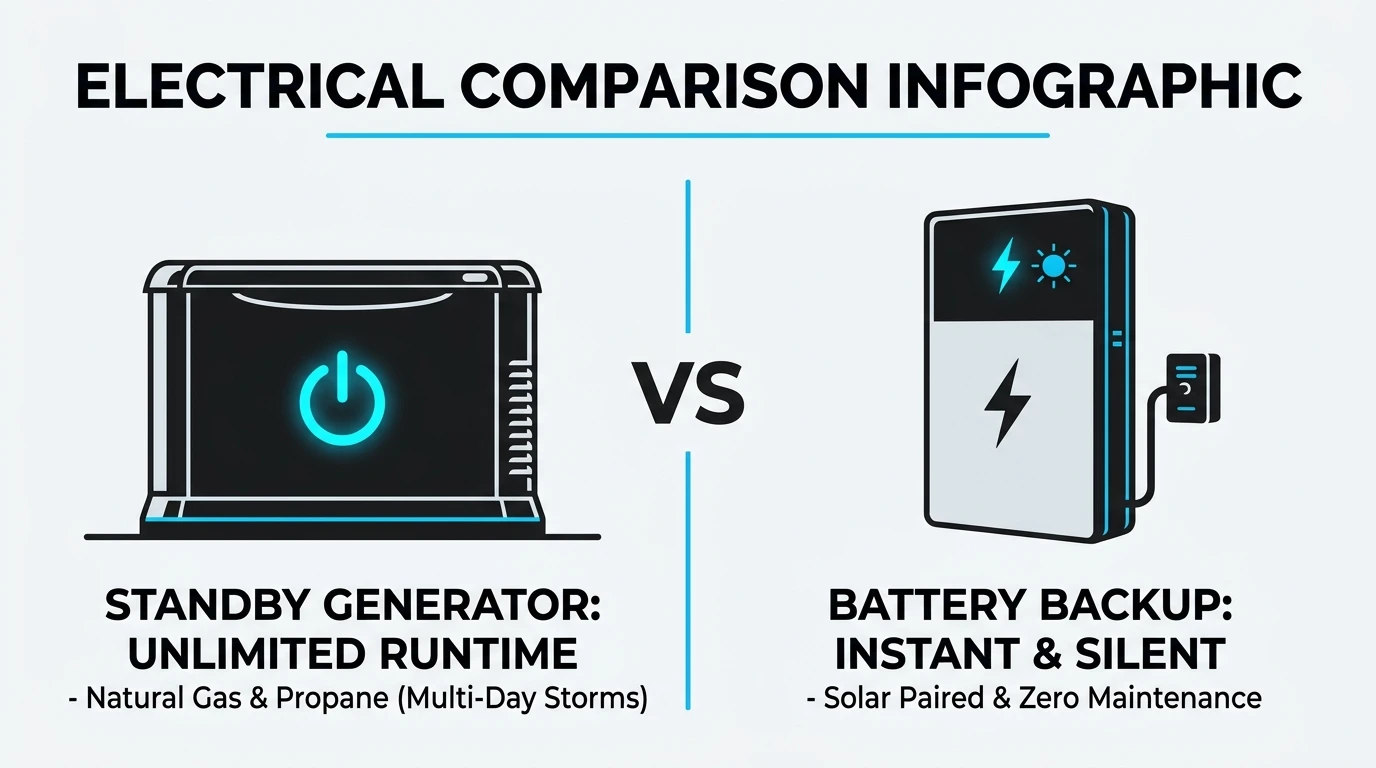
Generators vs. Battery Backup
Comparing standby generators and solar battery backup systems for Oregon power outages. Winter storm runtimes, power capacity, maintenance, and which option fits your home.
Knob and Tube Wiring: Is It Safe?
Knob and tube wiring powered homes built before the 1940s. Here is how to spot it, why it becomes a fire risk with age, and what Oregon homeowners can do about it.
Why Does My Breaker Keep Tripping?
What a breaker trip means, the four reasons breakers trip, what the timing of the trip tells you, and what an electrician does to fix it for good.
8 Signs You Need an Electrical Panel Upgrade
Flickering lights, a full panel, an old fuse box or a new EV charger on the way. The eight signs your electrical panel is due for an upgrade, and what the process looks like in Oregon.

Why Is My Outlet Not Working, and Why Won't the GFCI Reset?
Why outlets stop working, why a GFCI outlet won't reset, the warning signs that mean stop using it, and what an electrician checks.
Whole House Surge Protectors: Do You Need One?
A whole house surge protector mounts at your electrical panel and guards every circuit in the home. Here is what it protects, who benefits most, and how it works with plug-in strips.
How Many Outlets Can Go on a 20 Amp Circuit?
The electrical code does not set a hard limit for most home outlets, but there is a practical answer. Here is the common planning rule, the rooms that need their own 20 amp circuits, and why wire size matters.
Level 2 EV Charger Installation at Home
A Level 2 charger can refill most EVs overnight. Here is what a home install involves, how the circuit is sized, hardwired vs. plug-in options, and why the panel and wiring work belongs to a licensed electrician.
Aluminum Wiring in Older Homes: Risks and Fixes
Many homes built in the mid 1960s to mid 1970s have aluminum branch wiring. Here is why it can be a fire risk, the warning signs to watch for, and the repair options a licensed electrician can offer.